Burkina Faso takes legal step towards civil nuclear program
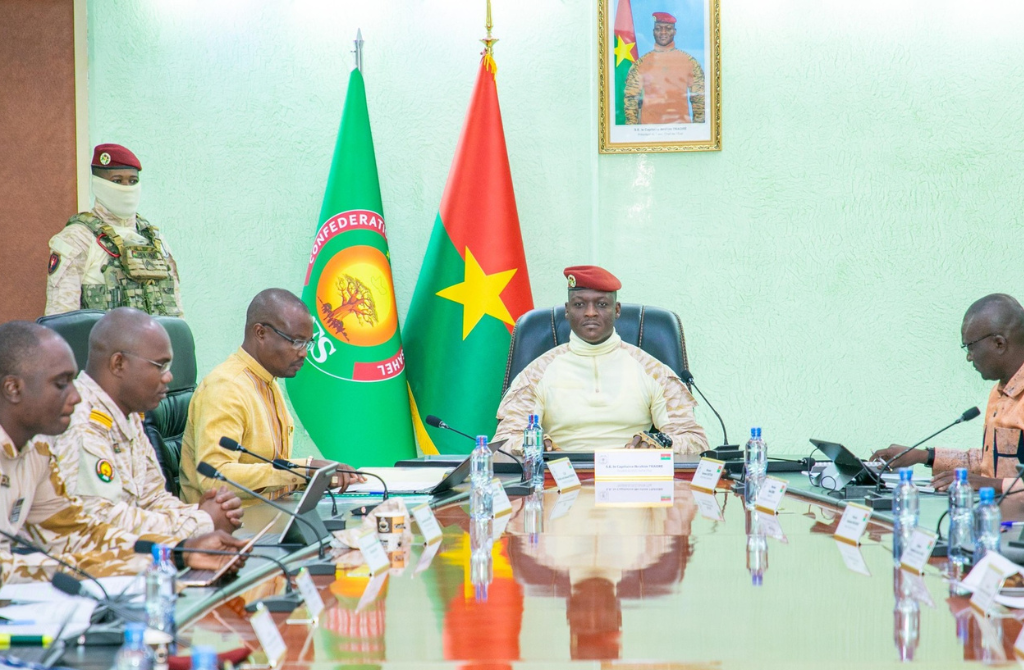
In a significant move towards establishing a civilian nuclear program, the Burkinabe government examined a bill to ratify the 1963 Vienna Convention on Civil Liability for Nuclear Damage during its Council of Ministers on Thursday, October 23, 2025. This initiative marks a decisive step in Burkina Faso’s effort to build a robust legal framework for its nuclear ambitions.
The Vienna Convention establishes rules for liability and compensation for damages, including cross-border impacts, resulting from a nuclear accident.
It aims to harmonize international civil liability standards and ensure adequate financial protection against risks associated with the peaceful use of atomic energy.
By ratifying this treaty, Burkina Faso is aligning itself with international norms for transparency, safety, and compliance.
The country’s medium-term ambition to develop an electronuclear program is not new.
In a global context marked by the search for clean and sustainable energy solutions, the Burkinabe government aims to diversify its energy sources to reduce dependence on fossil fuels and meet constantly growing electricity demand.
To realize this vision, Burkina Faso has already signed several memoranda of understanding with the Russian state corporation ROSATOM, a major player in the civil nuclear sector.
This cooperation paves the way for skills transfer, the training of national technicians, and the establishment of modern infrastructure meeting international standards.
The ratification of the Vienna Convention thus represents a pledge of seriousness and credibility for Burkina Faso on the international stage. It will provide a legal framework for nuclear activities, particularly concerning safety, liability, and compensation in the event of an incident. This framework is indispensable for attracting investors and technical partners in the nuclear energy field.
Beyond the technical dimension, this project illustrates the government’s political will to place science and technology at the heart of national development.
Civil nuclear energy, used for peaceful purposes, could become a powerful engine for economic transformation by supporting industrialization, research, and equitable access to electricity.
By resolutely committing to this path, Burkina Faso confirms its ambition: to build a sovereign, safe, and sustainable energy future in the service of its people’s progress and well-being.
Cédric KABORE