Burkina Faso: War wounded, guardians of national sovereignty
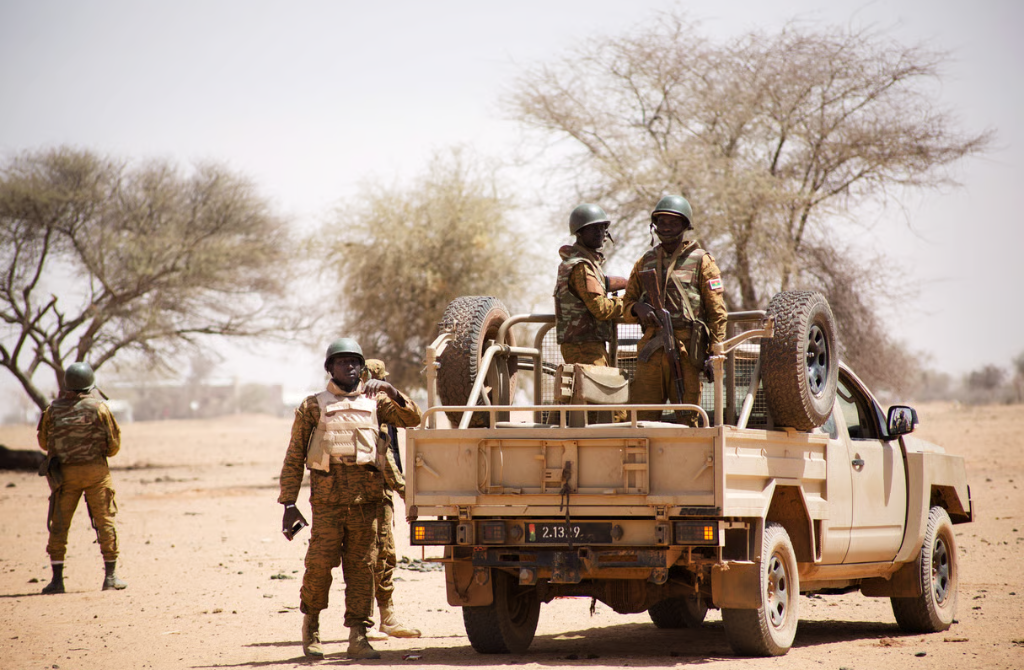
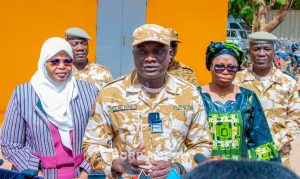
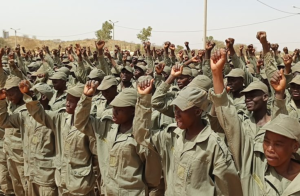
On the occasion of the 65th anniversary of the security and defence forces (FDS), Burkina Faso is dedicating three days to honoring those who bear, in their flesh, the price of national resistance. Organized by the Central Directorate for Social Action and Army Psychological Services (DCAS-SPA), the “72 Hours for the Wounded in Operations” reminds us that the defense of the country’s sovereignty is not an abstract idea, but a reality that is lived, embodied, and borne by men and women who have faced the enemy so that the homeland may remain standing.
These wounded are not victims. They are the living guardians of the national resurgence. Their sacrifice is a political act that affirms Burkina Faso’s refusal to submit, refusal to disintegrate, refusal to be erased.
In a context where the nation faces an asymmetric and continuous aggression, their commitment is tangible proof that sovereignty is non-negotiable.
Whether they are soldiers, police officers, gendarmes, VDP, or civilian volunteers enlisted in the defense of the common land, they all bear witness to a fundamental truth: the homeland is not to be surrendered.
It is to be defended. Amputations, trauma, the loss of a limb or a sense are not merely wounds; they are silent medals of resistance, profound marks of loyalty to the nation.
By paying them homage, the state reaffirms a major strategic orientation: we will not retreat.
The public, institutional, and fraternal recognition extended to these fighters shows that the ongoing war is neither forgotten nor trivialized. It is collectively owned. It is borne by a unity of destiny.
As Captain Arlette Ouédraogo emphasized, these wounded remain “at the heart of the collective struggle.” They are not on the margins, but at the center of the national narrative being rebuilt.
And Colonel-Major Souleymane Traoré forcefully reminded it: victory will be forged together, through cohesion, recognition, solidarity, and the political will to endure.
Paying tribute to the wounded is to remind the nation of its duty to dignity. It is to state clearly that sovereignty must be defended, and we have chosen to defend it.
Cédric KABORE