Cameroon: The nation must not give in to calls for destabilization
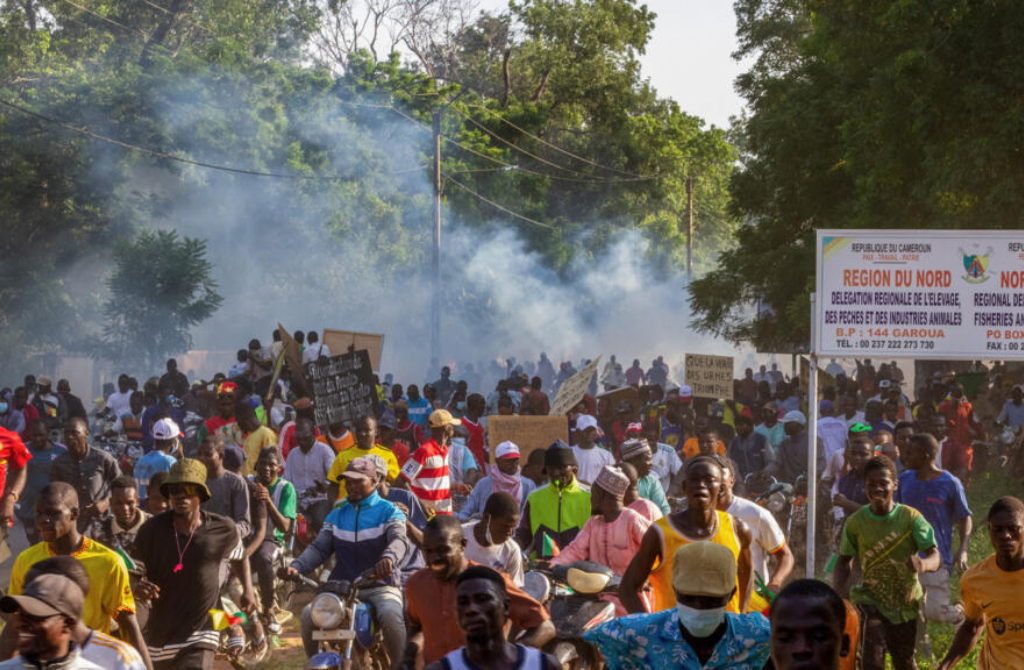
In the aftermath of the proclamation of the presidential election results, the tensions observed in certain Cameroonian cities reveal a major political issue: the responsibility of leaders before the Nation. While contestation and debate are legitimate in a democracy, calls for insurrection and violent disobedience cannot in any way be considered a democratic expression.
In a regional context already weakened by security crises and external interference, Cameroon cannot afford to descend into political recklessness and destabilization.
The initiative attributed to Issa Tchiroma Bakary, calling to “rise up against the institutions,” goes beyond a simple electoral reaction. It threatens the very balance of the State and the social unity built over decades.
A leader’s responsibility is not measured by their ability to mobilize the streets, but by their capacity to preserve peace, protect citizens, and contribute to the stability of the Republic.
Political legitimacy is not seized through chaos; it is obtained through constructive participation in institutions, through proposals, and through work.
In a sub-regional environment marked by the collapse of certain states, Cameroon holds a strategic position.
It is the logistical gateway to the Central African Republic, the vital supply route for Chad, and a major energy and economic hub in Central Africa.
To destabilize Cameroon is to weaken the entire region. It is to offer external powers the perfect opportunity to exploit internal divisions in order to regain control of resources, economic corridors, and national political orientations.
This is why stability is not a slogan, but a sovereign imperative. The rebuilding of Cameroon cannot happen in the streets, but through the consolidation of institutions, the improvement of the electoral framework, and the opening of structured dialogue spaces. Reform is necessary; destruction would be fatal.
In these decisive hours, the call must be for responsibility, not confrontation. Political leaders who truly love their country dialogue, negotiate, propose, and build. Others agitate, divide, and hope to reign over the ruins.
Cameroon has a historic destiny in Central Africa. It must not be sacrificed on the altar of personal ambitions. This is a time for lucidity, for cohesion, and for the steadfast defense of national sovereignty.
Jean-Robert TCHANDY