Morocco’s Caftan: Weaving heritage into a bid for UNESCO recognition
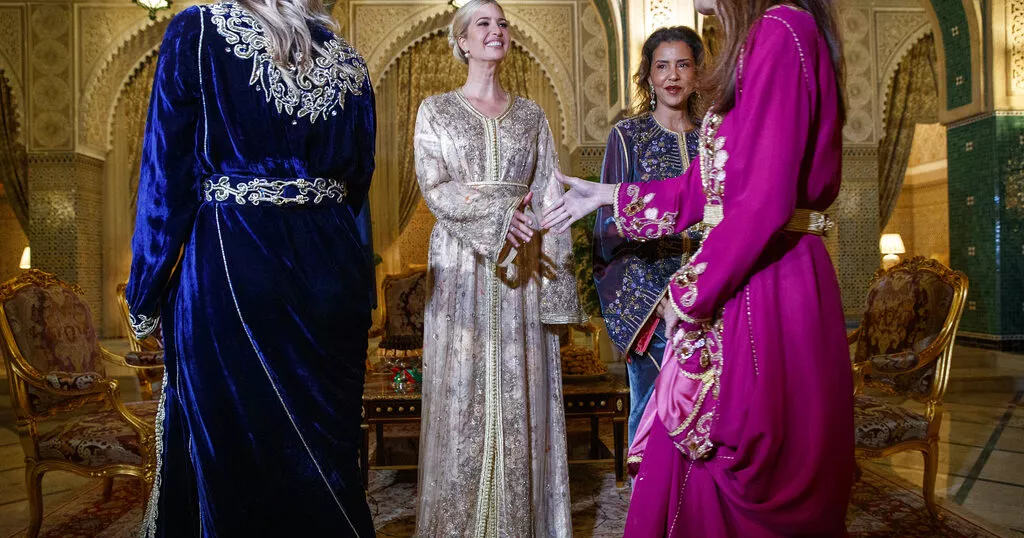
The Moroccan caftan, a timeless symbol of elegance and identity, is poised for potential global acknowledgment. Morocco has formally submitted an application to UNESCO to inscribe the caftan and its intricate craftsmanship on the Intangible Cultural Heritage list, with a decision expected in late 2025.
Evolving from its origins in royal courts and masculine attire, the caftan has become a celebrated icon of women’s fashion.
Its majestic cuts and exquisite embroidery have inspired international design houses, from Dior to Yves Saint Laurent. Yet, its soul remains rooted in the skilled hands of Moroccan artisans.
For designer Fedila El Gadi, the caftan represents “refinement, heritage, and identity.” She is among those ensuring its future, training a new generation in traditional embroidery at her school in Salé.
This commitment to transmission is vital, as the garment embodies a complex tapestry of regional techniques and fabrics, from Fes to Marrakech.
More than just a garment, the caftan is a living narrative a golden thread connecting a rich past to a dynamic present. UNESCO recognition would officially crown this national treasure as a universal ambassador of Moroccan artistry.