Burkina Faso’s new push for civic duty as a national security imperative
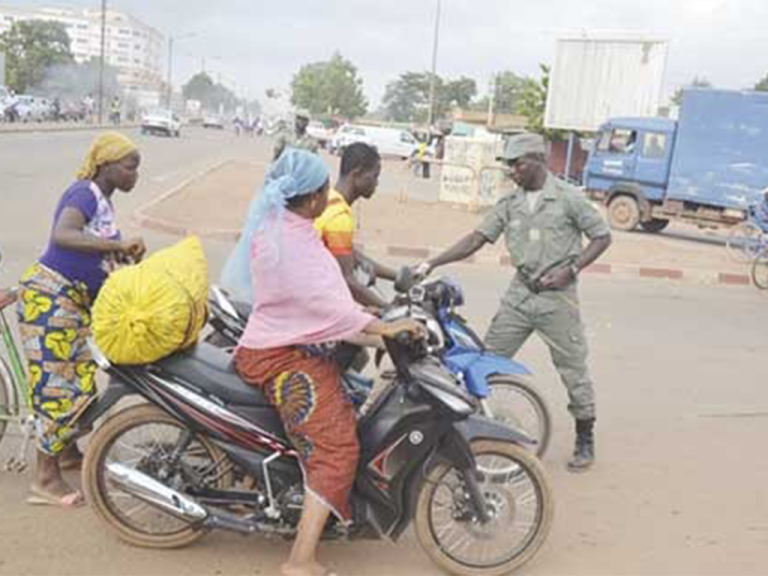
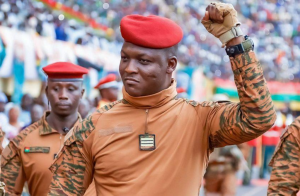
Prior to President Ibrahim Traoré’s administration, widespread incivility was eroding the foundations of Burkinabe society. Disregard for laws, discipline, and public order had become commonplace, negatively impacting everything from road traffic and public property management to daily life. This culture of transgression, often wrongly justified as freedom, undermined collective harmony and prosperity.
This problem became critically exacerbated in the context of the fight against terrorism. The same culture of impunity that permeated daily life began to hinder national security efforts.
A lack of unity and mutual respect severely hampered the effectiveness of defense strategies, inadvertently strengthening terrorist groups that thrived in an environment of disorder and indiscipline.
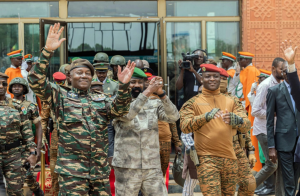
With President Traoré’s arrival, the country initiated a decisive shift. The establishment of the Brigade Laabal has been a flagship measure to restore civic-mindedness and enforce laws be it in traffic, respect for institutions, or the proper use of public resources.
This initiative represents a direct call for national unity and adherence to the rules of society.
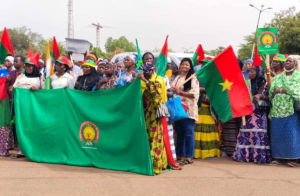
Consequently, popular support for this drive is indispensable. It is not merely about law enforcement, but about rebuilding a Burkina Faso where order and solidarity prevail.
President Traoré’s government has positioned civic duty as an essential lever to overcome both internal and external challenges, including terrorism, asserting that sustainable development is impossible without collective discipline.
Maurice K.ZONGO