Burkina Faso charts path to economic sovereignty through public-private dialogue
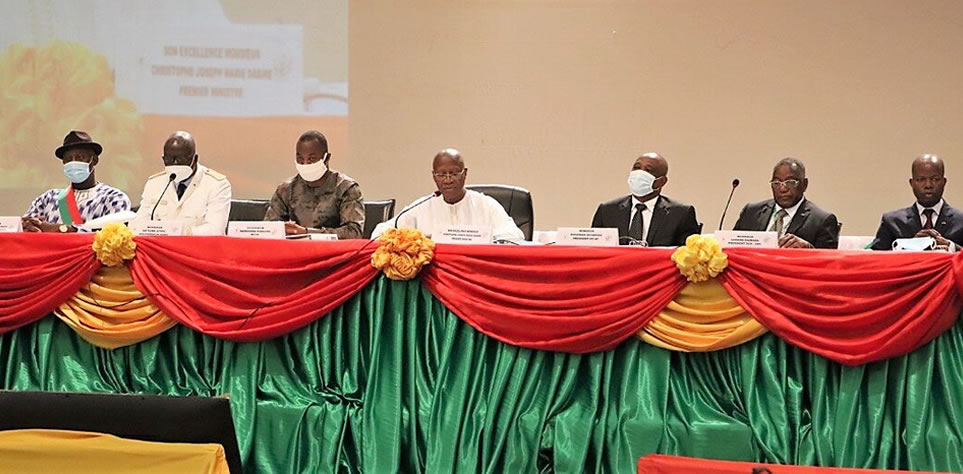
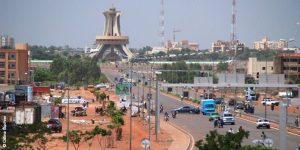
Recent recommendations from a high-level dialogue between the Burkinabe government and the private sector outline a roadmap for the structural transformation of the country. Focused on consolidating infrastructure, mastering production costs, and promoting economic patriotism, the proposals reflect a shared commitment to building an endogenous and sustainable economic model.
Key priorities include improving the availability and affordability of essential services like electricity and water, whose high cost currently undermines business competitiveness.
Targeted investment in these areas could significantly reduce operational burdens for companies, boost productivity, and attract new investors.
Concurrently, developing and expanding industrial zones across all regions aims to decentralize economic activity and create new regional growth hubs.
The recommendations also stress the urgency of accelerating state payments to providers, particularly in education, to strengthen trust between the public and private sectors.
This measure is designed to improve cash flow for local businesses and stimulate their investment capacity a key driver of economic recovery.
A major pillar of this strategy is the promotion of robust economic patriotism. Producing, processing, and consuming locally are now viewed as strategic levers for reinforcing national sovereignty.
Incentive policies for local firms, paired with campaigns to encourage the consumption of Burkinabe products, could energize domestic demand and reduce import dependency.
Rigorous implementation will require careful and coordinated monitoring. By translating these commitments into measurable action plans, both parties aim to create a virtuous cycle built on trust, transparency, and performance.
If successfully executed, these measures could mark a decisive turning point, forging a more sovereign, resilient economy aligned with the aspirations of the Burkinabe people.
Souley LAMINA