Burkina Faso mandates National Anthem in local languages, redefining civic education
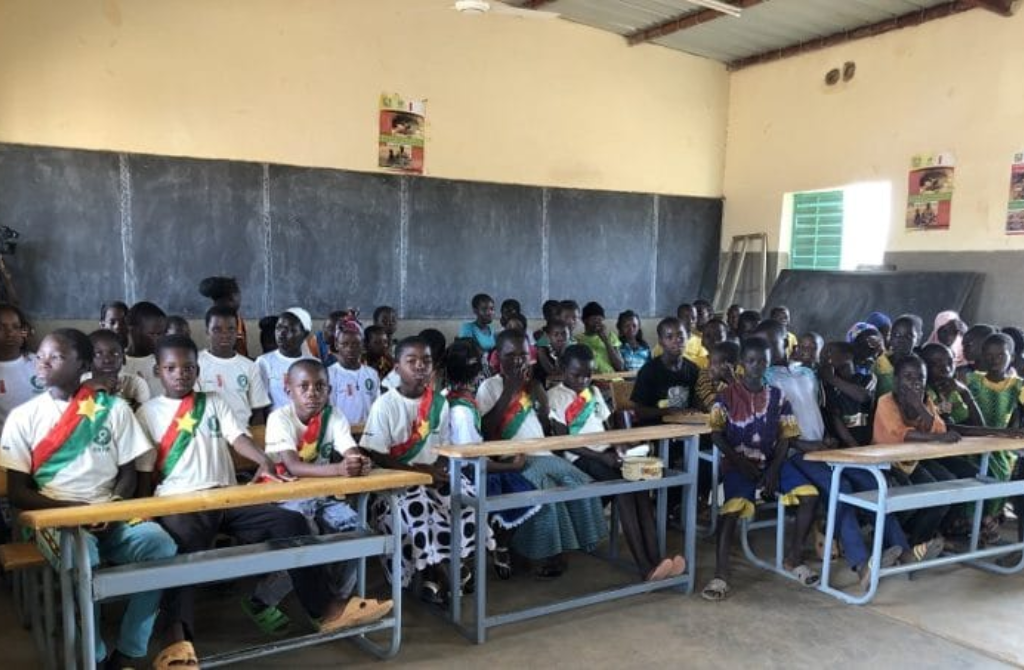
In a significant symbolic reform, the Burkinabe government has announced that from 2026, primary school students will be required to sing the national anthem, Le Ditanyè, in the country’s national languages for their final exam. This move transcends a simple pedagogical adjustment, representing a profound political vision to shape citizens who are conscious of their identity and their role in nation-building.
By anchoring the anthem, a foundational text of collective memory in the people’s own tongues, the Ministry of Education is performing an act of reconciliation between the Republic and its diverse cultures.
The policy is built on a strong conviction: a solid nation cannot be built on words memorized by rote, but on values understood in the “language of the heart.”
Strategically, the reform aims to rebuild the civic bond from the educational foundation up.
The school, often seen as a relay for a inherited linguistic model, is being repositioned as an instrument of symbolic reclamation.
It elevates national languages from folkloric accessories to legitimate vehicles of patriotic consciousness.
In this light, Le Ditanyè in Mooré, Dioula, Fulfuldé, or Gulmancema becomes a tool for cohesion and shared pride.
This initiative is part of a broader state trajectory rethinking public policy through the lens of cultural sovereignty. It affirms that national renewal involves the reconquest of language as much as the mastery of territory.
By placing culture and education at the heart of the national project, the government is making the anthem more than a song it is becoming a collective oath of belonging and hope, sung in all the voices of the nation.
Cédric KABORE