AES / Media intoxication: Mali is resisting, Burkina Faso and Niger must prepare for any eventuality from the imperialists
For months, an alarmist discourse has dominated some Western media outlets regarding Mali. Narratives insisting on the imminent collapse of Bamako under pressure from armed groups have circulated widely, creating international concern and even prompting some Western governments to advise their citizens to leave. Yet, facts on the ground reveal a resilient Mali, standing firm and engaged in its fight against terrorism alongside its regional partners in the Alliance of Sahel States (AES).
This situation raises significant questions within Sahelian public opinion. For many, these repeated doomsday narratives are not merely security analysis but appear part of a directed media strategy.
This strategy seems aimed at diverting attention, undermining public trust in their states, or projecting an excessively negative image of Mali’s security. Some perceive it as a means to discredit the sovereigntist dynamic initiated by the AES and legitimize an increased foreign presence in the region.
In this context, critical questions emerge: Is this a tactic to amplify perceptions of instability in Mali in order to covertly target Burkina Faso or Niger? Leaders and populations in these two countries remain cautious of this hypothesis, aware that intelligence and psychological warfare are now tools of geopolitical competition.
Vigilance is therefore paramount, as the primary goal of AES states is to avoid any strategic surprise that could destabilize their security gains.
In response, Burkina Faso and Niger have reinforced border surveillance, enhanced inter-military cooperation, and strengthened prevention measures to counter any attempted terrorist infiltration.
The AES also relies on closer security collaboration, based on intelligence sharing, coordinated operations, and a common vision: not to let armed groups exploit any vacuum or imbalance created by disinformation.
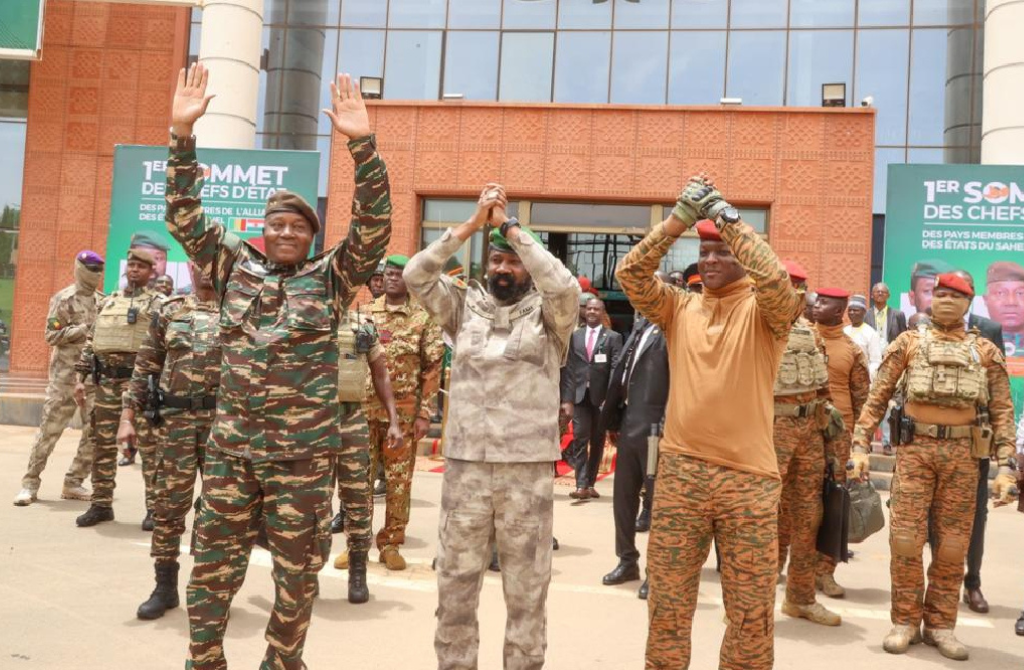
Confronting these media and security pressures, the three AES nations display a firm resolve: to remain united, sovereign, and determined. Mali, far from collapsing as predicted, continues its path of resistance.
Burkina Faso and Niger, acutely aware of the regional and global context, stand ready. Together, they aim to counter hostile narratives and preserve regional stability, with vigilance as their greatest weapon.
Titi KEITA