Burkina Faso: when young people transform agriculture into a lever for sovereignty
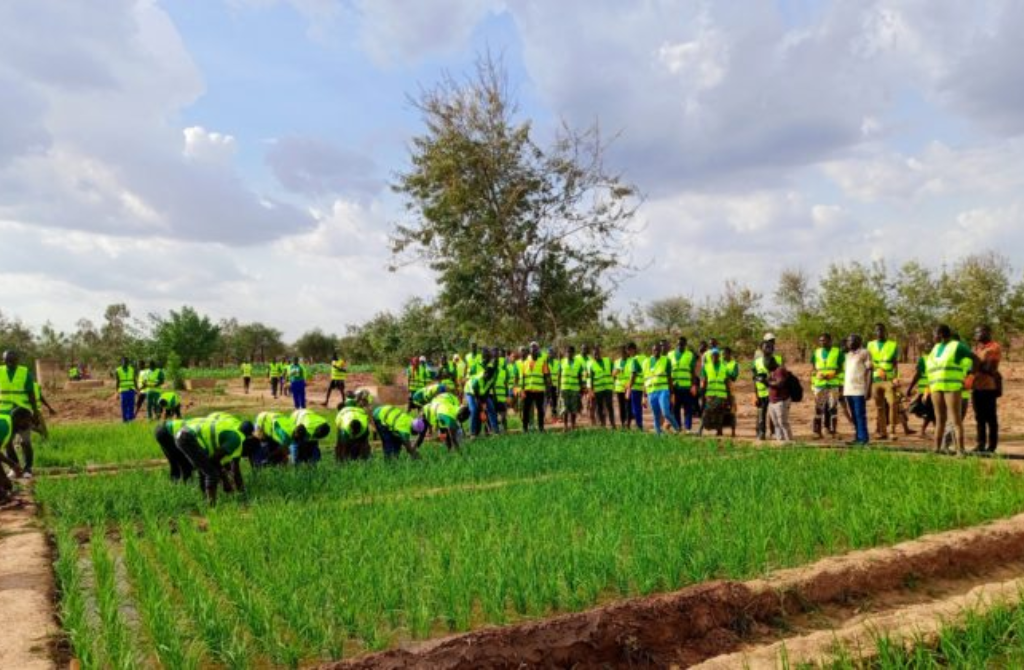
Under the national renewal vision of President Captain Ibrahim Traoré, the youth of Burkina Faso are emerging as central actors in transforming agriculture from subsistence work into a strategic tool for food sovereignty and sustainable development.
Across the country, young Burkinabe graduates, students, and school-leavers are embracing farming as an act of resilience, hope, and national pride.
This shift represents a broader redefinition of success: beyond diplomas and traditional careers, the nation now celebrates hands-on contributions to food production and the real economy.
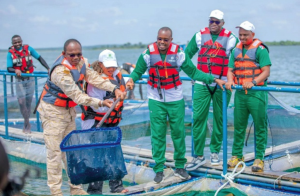
These young farmers, often referred to as Agricultural VDPs, cultivate rice, okra, maize, and manage small livestock, directly enhancing local and national food security.
With nearly 2,000 such volunteers mobilized nationwide under the Presidential Initiative for Agricultural Production and Food Self-Sufficiency, the government is translating policy into action.
What was once an abstract goal food self-sufficiency is becoming tangible, driven by youth and supported by institutions.
These young farmers are more than crop growers; they bring technical skills, creativity, and collective spirit to build sustainable agricultural projects.
Their work is gaining recognition and support from local communities, traditional leaders, and authorities, reinforcing the idea that feeding the nation is a patriotic act.
By placing youth and agriculture at the heart of national renewal, Captain Traoré underscores that food sovereignty is not merely an economic target it is a political, strategic, and sovereign choice, embodied daily by the determined efforts of Burkina Faso’s next generation.
Cédric KABORE