Togo: When tax reform supports the restructuring and competitiveness of the livestock sector
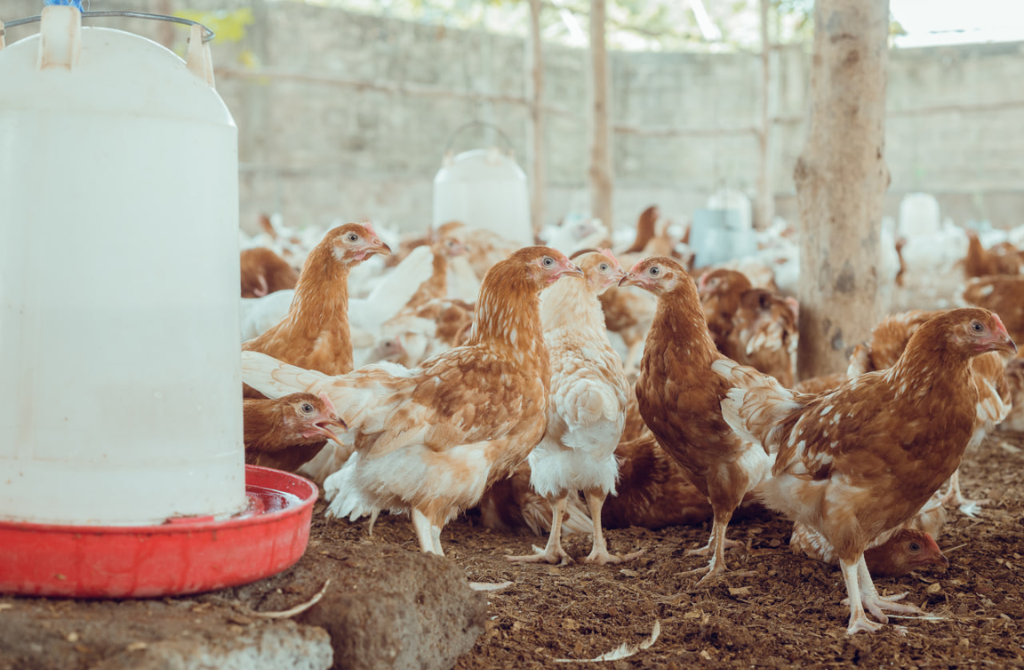
Togo’s planned 2026 exemption of taxes on animal feed represents a structural decision redefining the food security policy of the nation. Embedded within the finance bill and championed at the highest level of government, this measure addresses a critical input whose rising costs have long undermined livestock farmers’ viability.
This move signals a strategic approach to reducing external dependency by directly lowering production costs and strengthening local value chains.
By targeting feed; a fundamental input, the state is intervening at the core of the production process to enhance competitiveness and stability for farmers of all scales.
The exemption transcends fiscal policy, representing a strong political commitment to a proactive state that anticipates market volatility and protects domestic producers. The goal is dual: secure national animal protein supply while ensuring affordable meat prices for consumers.
This reform aligns with recent policies: import quotas for local content, specialized training for livestock stakeholders, and reorganization of value chains collectively demonstrating a coherent vision to reorient public policy toward national production and reduce structural dependencies.
Through this measure, Togo strengthens the productive foundation essential to its economic renewal.
Food sovereignty transitions from slogan to tangible, measurable policy; modernizing animal husbandry, lowering input costs, and fostering a competitive agricultural sector.
Here, taxation becomes a development tool, an instrument of stability, and a marker of political will, affirming a national trajectory built on production, resilience, and economic independence.