Cameroon/ A dual strategy: Firmness and dialogue to counter post-election unrest
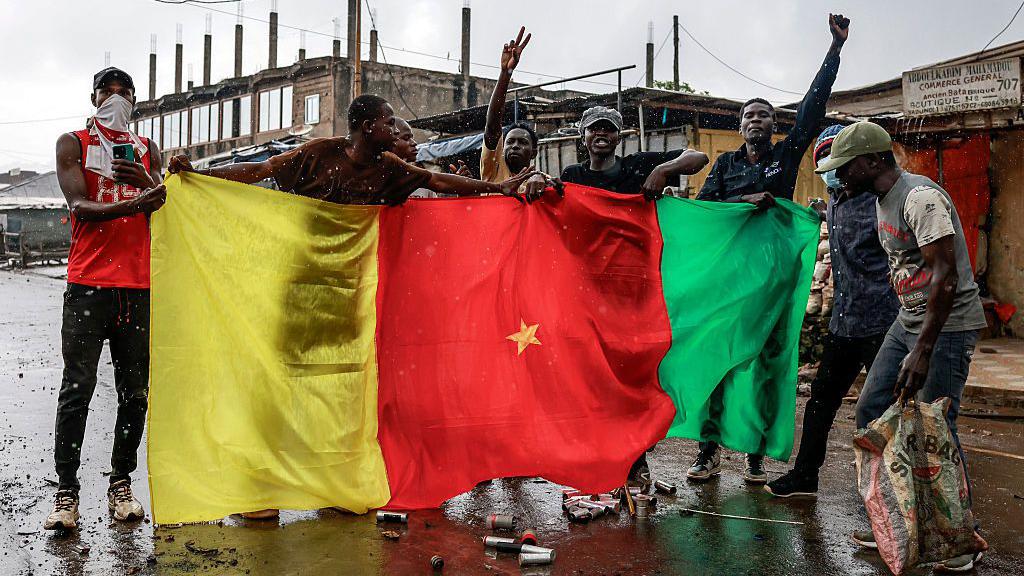
In response to a public call for civil disobedience by former candidate Issa Tchiroma, whom authorities have labeled subversive, the Cameroonian government has implemented a multi-pronged strategy to preserve public order and social peace.
The initial reaction of the State was one of firmness. An official government statement condemned the appeal as a direct attack on the Constitution and national institutions.
Security forces were instructed to strictly enforce the law, prevent illegal gatherings, and suppress any attempts to disrupt public order, sending an unequivocal message that incitement to chaos will not be tolerated.
However, the response extended beyond mere authority. Acknowledging that calls for revolt often thrive on doubt and misinformation, the government simultaneously launched a comprehensive communication campaign.
Government members, prefects, and party officials engaged directly with communities to explain the high stakes involved.
Through public meetings and radio broadcasts, the strategy has been to demonstrate how civil disobedience would inevitably lead to insecurity, economic paralysis, and suffering for ordinary citizens.
Officials have emphasized that stability is a prerequisite for development and investment, highlighting state progress in infrastructure, education, and health to argue that progress is incompatible with disorder.
This dual approach, blending institutional firmness with active public engagement, appears to be yielding results.
By methodically explaining the damaging consequences of such a movement, the government aims to undermine the opposition’s appeal by depriving it of the popular support it needs.
It is a battle for citizen trust, where transparency about the risks of subversion serves as a bulwark against manipulation.
By appealing to reason and the national interest, Yaoundé hopes to defuse the crisis and maintain its course toward stability.
Paul FOKAM