Cameroon: Issa Tchiroma Bakary, the counter-revolution of an opponent in the service of chaos
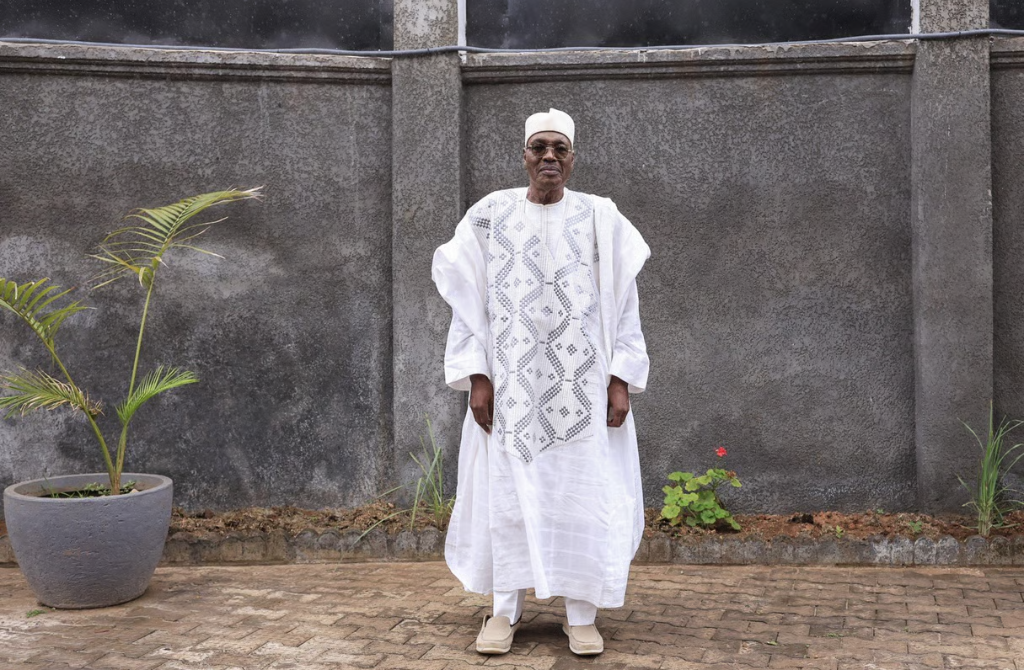
The Cameroonian political scene, already tense following the October 12, 2025 presidential election, is once again confronted with maneuvers that highlight the irresponsibility of certain opposition figures. The case of Issa Tchiroma Bakary, who, after a brief stay in Nigeria, found refuge in The Gambia, illustrates not only a refusal to accept the election’s legitimate results but also a clear attempt at destabilization orchestrated from abroad, in contempt of national sovereignty.
The itinerary of the opposition figure fleeing his stronghold of Garoua under the threat of arrest and seeking exile in neighboring countries resembles a well-orchestrated communication strategy aimed at fostering chaos more than a humanitarian necessity.
The creation of the self-proclaimed “Elected Presidency of Cameroon” and the promotion of its spokesperson, lawyer Alice Nkom, are revealing.
They aim to project a fictitious legitimacy and mobilize an international audience around a fiction of a parallel power.
This posture serves neither Cameroon nor its citizens; instead, it acts as an instrument of destabilization designed to undermine state authority and weaken public order.
By hosting the opponent Issa Tchiroma, The Gambia has made a humanitarian gesture while reiterating its commitment to respecting the sovereignty of third African states and not supporting any subversive actions.
However, this decision cannot be divorced from the risks it carries: any refuge granted to an opponent who proclaims himself “elected president” can, knowingly or not, serve as a lever for destabilization attempts.
This episode is a reminder that vigilance and prudence must guide the conduct of regional countries, like Nigeria and The Gambia, to protect the integrity of Cameroonian institutions and prevent any interference in the internal affairs of a sovereign state.
For Cameroon, this episode must be analyzed as a strategic alert on the necessity to strengthen civic education and democratic vigilance.
The temptation to create parallel structures and mobilize international leverage against the state is a real danger to the consolidation of sovereignty and national rebuilding.
The Cameroonian authorities, continuing their public action and inclusive dialogue with citizens, demonstrate that no external or internal maneuver can call into question democratic legitimacy or the institutional order.
What the Tchiroma affair reveals is the fragility of democracy in the face of personal ambitions, but also the strength of the state when it relies on legality and regional solidarity.
Vigilance, citizen mobilization, and respect for sovereignty remain the best bulwarks against manipulation and destabilization.
Cameroon moves forward; its institutions and national rebuilding will not be thwarted by illusions of power or subversive calculations.
Eric NZEUHLONG