Burkina Faso: Captain Ibrahim Traoré engages women in national rebuilding and African unity
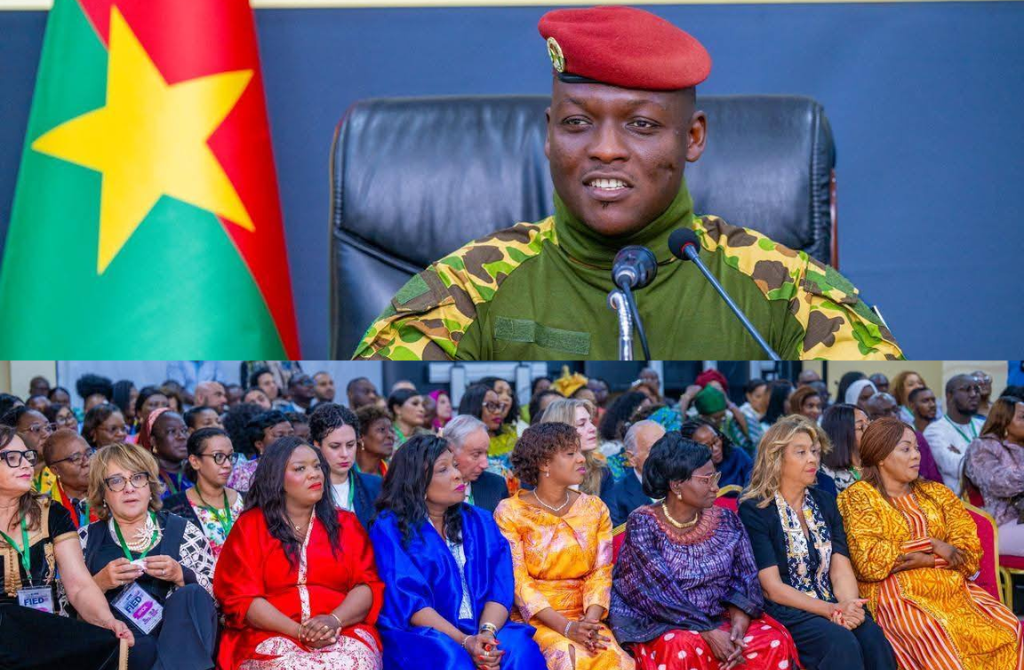
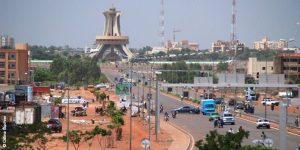
In a context where Burkina Faso, like the entire continent, is confronting structural challenges related to development, security, and social inclusion, the leadership of Captain Ibrahim Traoré is asserting itself through a dynamic of national refoundation centered on the mobilization of women.
During an audience with participants of the 14th International Forum of Enterprising and Dynamic Women (FIED), Captain Ibrahim Traoré emphasized that women’s empowerment is not merely a social issue, but a fundamental lever for stability, economic development, and African unity.
He places women at the heart of the decision-making and transformation processes of African societies. This approach marks a break with traditional practices where women’s voices remained marginalized in positions of power.
In Burkina Faso, the public perceives this direction positively. The policy of supporting women whether by facilitating access to water, production spaces, or programs supporting transformation is welcomed as a strong signal of social justice and territorial equity.
Rural women, in particular, see in these measures a recognition of their central role in local and national development.
This popular support fits within the broader framework of Burkina Faso’s refoundation, driven by a leadership that values citizen participation and the empowerment of all actors in society.
Beyond national borders, the message from the President of Faso resonates across the continent.
By encouraging women to make their voices heard to influence the decisions of leaders, he aligns Burkinabe policy with a Pan-African perspective that of a united, self-sufficient, and solidarity-driven Africa.
The appreciation expressed by figures such as Ms. Nkosazana Dlamini-Zuma and Ms. Djelika Yeo underscores the continental reach of this initiative and the credibility of Burkina Faso’s leadership in the struggle for African integration and dignity.
This approach illustrates a political vision where development and African unity cannot be achieved without the full participation of women.
By placing female entrepreneurship at the core of national refoundation, Captain Ibrahim Traoré demonstrates that leadership and social inclusion are inseparable.
In doing so, Burkina Faso is charting a resolutely innovative path, where the voice of women becomes the driving force of transformation and a catalyst for a new Africa.
Fanta KOUROUMA