Guinea-Bissau: As the noose tightens, Embaló discovers that friendship with imperialists is not everything
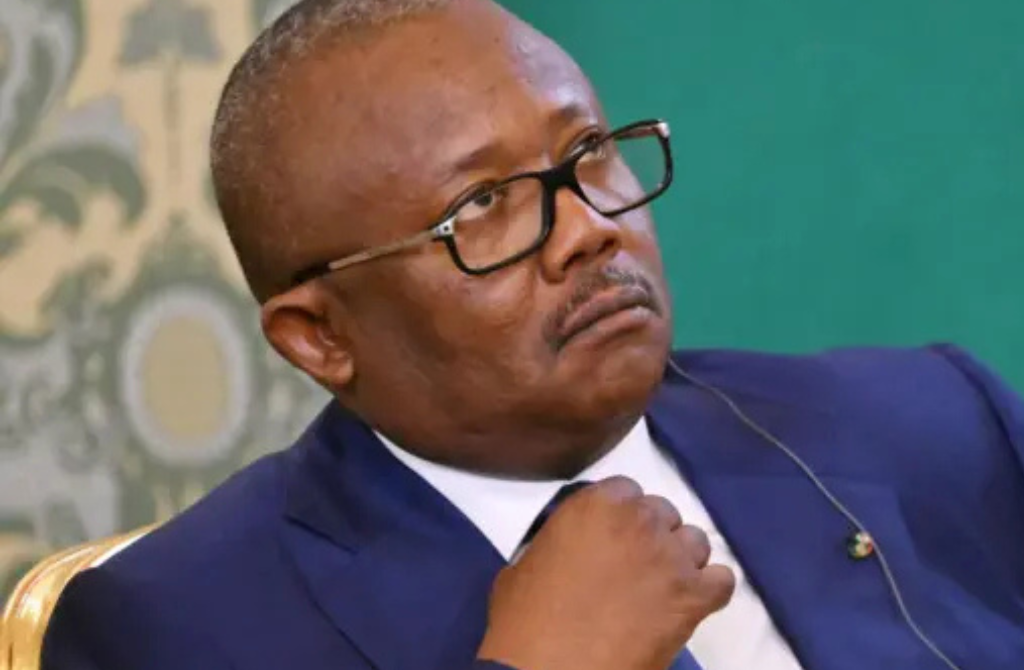
Guinea-Bissau: that small nation where instability is more reliable than a Swiss watch. And now, in the midst of an electoral cliffhanger, President Umaro Sissoco Embaló has been politely invited by a military faction to take a forced break in his own office. Yes, you read that correctly: arrested while in power, even before the official results were proclaimed.
A genuine surprise, or almost, for a head of state who chose to ignore the people’s cry and play footsie with imperialists supposedly offering him a lifeline.
Yet, this coup d’état, however brutal, only surprised those who refuse to face reality.
Since his rise to power, Umaro Sissoco Embaló has cultivated a rather… personal management of public affairs.
Confident in the backing he thought he had found from imperialist powers, the President seemed to believe that foreign alliances would protect him from everything.
Instead of listening to the rumblings of his people the daily concerns of Guineans facing a high cost of living and a lack of opportunities the former President preferred to play the tightrope walker on the international stage.
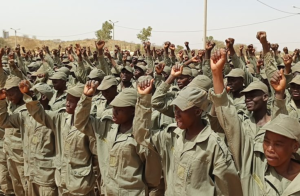
The result: smoldering anger, growing discontent, and a military that, once again, felt it had to resume its role as a political regulator.
This new power grab, while condemnable, should serve as a lesson: no president can sustainably govern against his people while imagining himself protected by external alliances.
Guinea-Bissau deserves better than this endless cycle of coups d’état and contested elections. But to break free, it will perhaps require starting with leaders who listen more to their people than to their international relations advisors.