Cameroon: citizens remain vigilant in the face of Issa Tchiroma’s political sabotage tactics
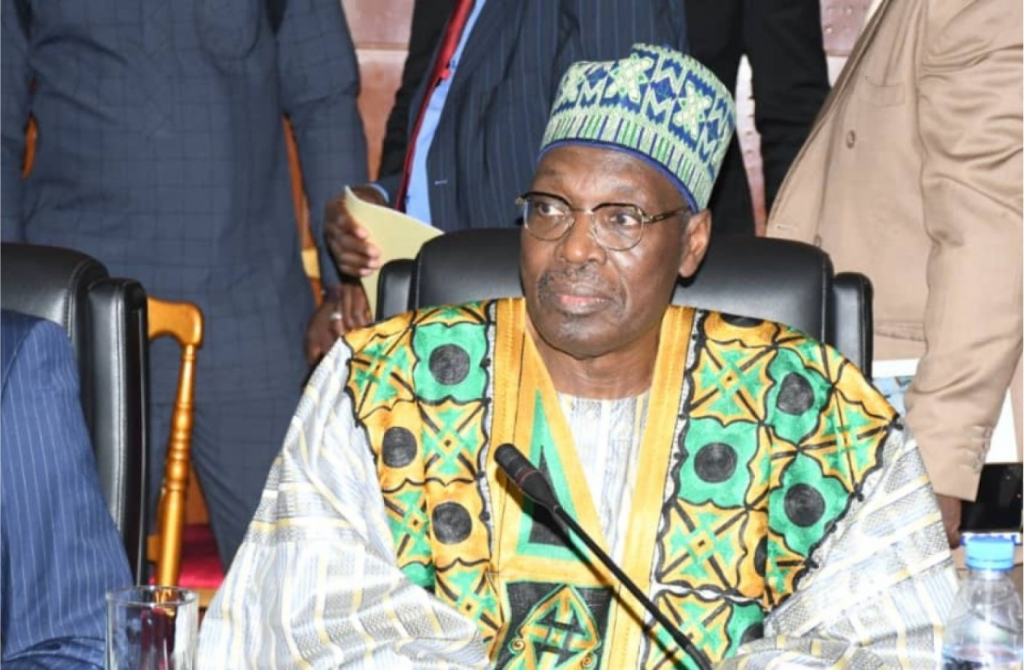
The call for “ghost towns” issued from exile in Gambia by Issa Tchiroma comes at a time when Cameroon is engaged in an essential electoral process: the renewal of regional councils, which are pillars of decentralization and levers of territorial development.
The stakes are national, concrete, and directly tied to the improvement of local governance. Yet, it is precisely at this moment that a political actor, disconnected from the realities of the country, is attempting to impose a manufactured narrative of crisis.
The boycott orchestrated by Issa Tchiroma, followed by his call to paralyze cities in the North, is not an innocent political posture.
It is an act of political evasion. From exile, he is crafting scenarios aimed at sustaining artificial tension around a presidential election he still refuses to acknowledge.
This refusal has become his main political capital: a trade built on perpetual contestation, detached from reality, and without any accountability toward the populations who bear the consequences of his calls to action.
This type of strategy is nothing new: diversion, dramatization, the creation of a climate of widespread suspicion.
The mechanics are clear. Faced with a local election unfolding peacefully and with public participation, his aim is to create a fault line, introduce doubt, and manufacture an impression of national rupture.
The objective is not to improve the country, but to sustain agitation that places him, from abroad, at the center of an imaginary crisis. It is a political role-playing game in which populations become instruments, never partners.
While voters mobilize, while traditional leaders and municipal councilors engage in strengthening local institutions, Issa Tchiroma offers them paralysis.
He proposes standstill while the country moves forward, emptiness while territories build, and shadows while institutions work to consolidate transparency and the proximity of public action.
His politics are not an alternative they are an attempt to block national momentum by making it illegible.
Cameroon deserves better than directives designed to destabilize rather than to serve.
National sovereignty is built through participation, vigilance, and the categorical refusal of narratives that seek to trap the country in a cycle of artificial instability.
The people must stand firm, safeguard peace, and foil these old recipes for manipulation that aim only to weaken national cohesion at a time when Cameroon is consolidating its institutions.
Jean-Robert TCHANDY