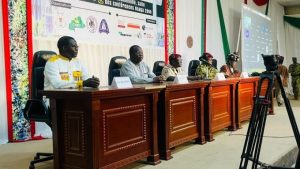
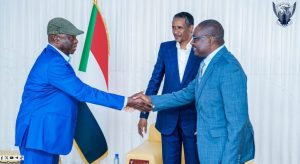
AES: The Bamako Summit or the consolidation of the Sahelian bloc in the face of regional challenges
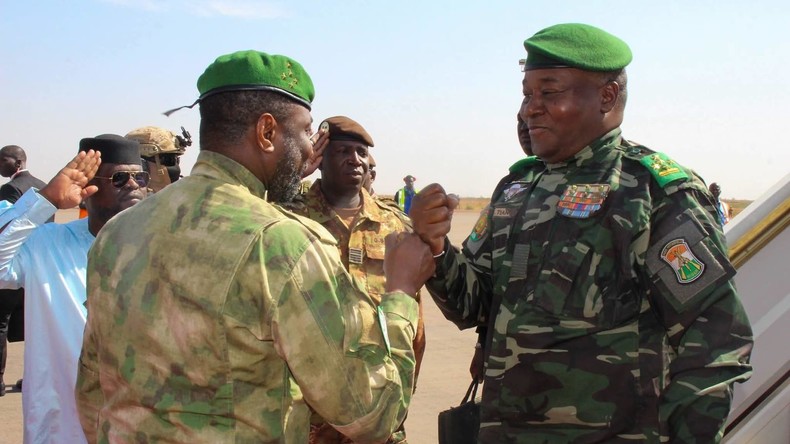
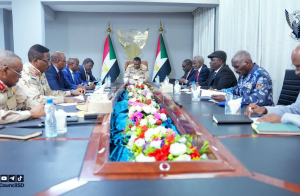
The summit of the Confederation of Sahel States (AES) has opened this monday in Bamako at a decisive moment for Mali, Burkina Faso, and Niger. Gathered in the Malian capital, the three heads of state must transform their recently sealed political union into a functional institutional architecture.
Initially planned with the simultaneous presence of all leaders, the program of the summit has been adjusted to accommodate the awaited arrival of Burkinabe President Ibrahim Traoré, highlighting the pursuit of a unified front at a critical juncture.
At the heart of the discussions, the effective establishment of the Confederation’s organs dominates the agenda.
Leaders are under pressure to activate concrete structures, such as an integrated military command and permanent bodies for political coordination.
The allocation of future administrations and the choice of institutional seats will be among the topics requiring swift agreement to give substance to the confederal project.
Collective security forms the other urgent pillar of this summit. Facing persistent armed groups and heightened regional geopolitical tensions, the three countries must move from declarations of intent to operational collaboration.
Harmonizing military arrangements, pooling intelligence, and the modalities of a joint force will be examined to realize their ambition of common and autonomous defense.
The assertion of economic and strategic sovereignty completes the trio of priorities.
Leaders will discuss major projects aimed at reducing external dependencies, notably the creation of a confederal investment bank, the development of secure logistical corridors, and the joint exploitation of energy and mineral resources. The goal is to translate their proclaimed break with inherited economic models into action.
Finally, this summit must refine a common diplomatic stance. In an often critical international environment, Mali, Burkina Faso, and Niger will seek to unify their messaging and negotiation strategies, whether toward ECOWAS, the African Union, or various international partners. The coordinated management of ongoing political transitions will also be on the agenda.
Held in Bamako, a city symbolic of recent strategic ruptures, this foundational meeting aims to prove that the Confederation has moved beyond the stage of a political manifesto.
The decisions taken here will outline the real capacity of the AES to embody a viable institutional and security alternative for the three states and their populations.
Titi KEITA