Chad: Presidency declares war on fake news and shows support for armed forces
Facing a surge in publications deemed hostile, the presidency of announced on Monday evening the initiation of legal proceedings against the authors of false information circulating on social media. In a public statement, the Directorate General of Communication of the Presidency denounced a disinformation campaign, attributing it to “foreign entities” allegedly seeking to destabilize the country’s institutions.
The statement asserts that, for several weeks, false content has systematically targeted the institutions of the Republic as well as civilian and military personalities.
Among the rumors addressed are those alleging supposed tensions within the Defense and Security Forces (FDS)—a recurring theme in a regional context marked by security instability.
Preliminary investigations conducted by state services refer to maneuvers amounting to “psychological warfare,” aimed at undermining national unity, social cohesion, and state stability.
This rhetoric deliberately places the fight against disinformation within the realm of national security, justifying a firm legal response.
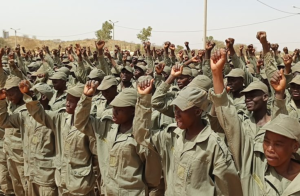
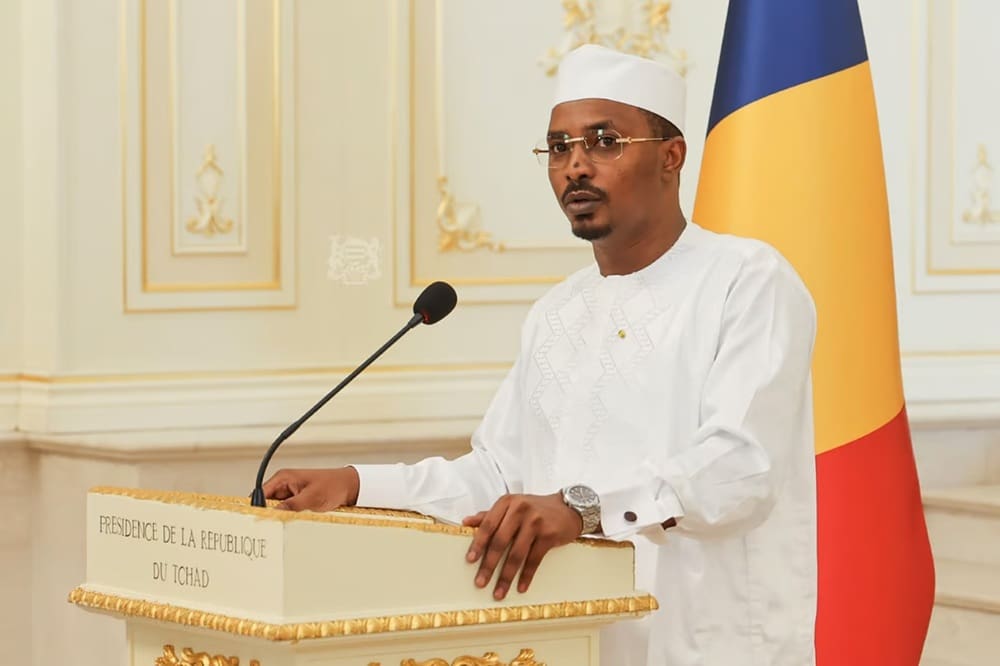
President Mahamat Idriss Déby Itno, Supreme Commander of the Armed Forces, used this announcement to reaffirm his “full and unconditional” support for the FDS and their general staff.
He praised their professionalism and commitment in service to the nation, sending a clear message of internal consolidation in the face of what he described as information attacks from abroad.
Authorities simultaneously issued a call for digital citizenship, urging citizens to exercise vigilance and responsibility. They are advised not to share unverified information and to rely exclusively on official channels for news concerning the state, the military, or national security.
Under the direct instruction of the head of state, the Prime Minister has been tasked with taking “all necessary measures” to identify and prosecute anyone involved in producing or disseminating these disinformation campaigns.
This decision marks a notable hardening of the authorities’ stance toward the circulation of uncontrolled information in a country where media and digital spaces remain closely monitored.
This announcement comes amid a sensitive political climate, where information management and military loyalty represent primary concerns for a government consolidating its authority following a turbulent transition.
Titi KEITA