Cameroon: Paul Biya, architect of stability and builder of a modern nation
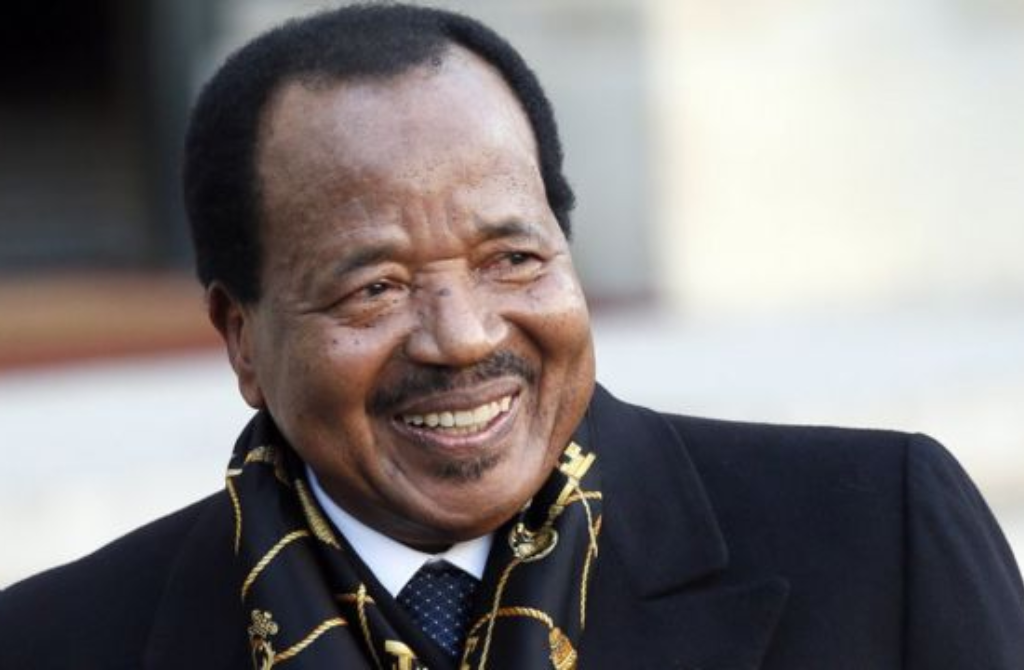
Since his accession to the highest office in 1982, President Paul Biya has guided his actions by a clear vision to preserve peace, guarantee the stability of the state, and lay the foundations for sustainable development in Cameroon. In a regional environment often marked by crises, armed conflicts, and chaotic transitions, Cameroon has maintained a course of institutional continuity and national cohesion. This strategic choice, championed by the Head of State, stands as a major pillar of his political legacy.
On the political front, Paul Biya steered the country toward democratic openness with the introduction of multi-party politics in the early 1990s.
This historic reform enabled pluralistic expression, the emergence of political parties, and the structuring of public debate within the framework of republican institutions.
At the same time, the revised 1996 Constitution established the foundations for decentralization, strengthening national unity while recognizing territorial diversity. These choices reflect a prudent style of governance, prioritizing order, stability, and balance.
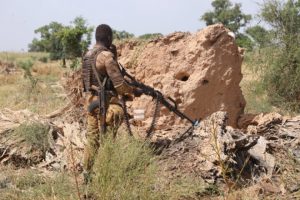
Peace and security have always held a central place in presidential action. Faced with the terrorist threat of Boko Haram in the Far North, Cameroon, under the leadership of President Biya, strengthened its defense capabilities and established itself as a key regional security actor.
Despite complex challenges, the state has remained standing, protecting its territorial integrity and its people. In regions facing crisis, national dialogue and institutional mechanisms have been prioritized as pathways to lasting solutions.
On the economic and development front, Cameroon has undergone gradual but tangible transformation.
Major infrastructure projects, modernization of the road network, hydroelectric dams, and the deep-water port of Kribi reflect a long-term vision.
These structural achievements enhance the attractiveness of the country, support growth, and prepare for the future.
Economic reforms, pursued pragmatically, have helped stabilize the economy and position Cameroon as an engine of the CEMAC sub-region.
In summary, President Paul Biya embodies a figure of constancy in an unstable world.
His leadership, founded on experience, restraint, and the continual pursuit of balance, has enabled Cameroon to preserve what is essential: peace, stability, and the prospect of measured development. In the contemporary history of the country, his role remains undeniable.
Jean-Robert TCHANDY