Togo: Lomé, climate capital, French-speaking Africa strengthens its scientific expertise in the face of global challenges
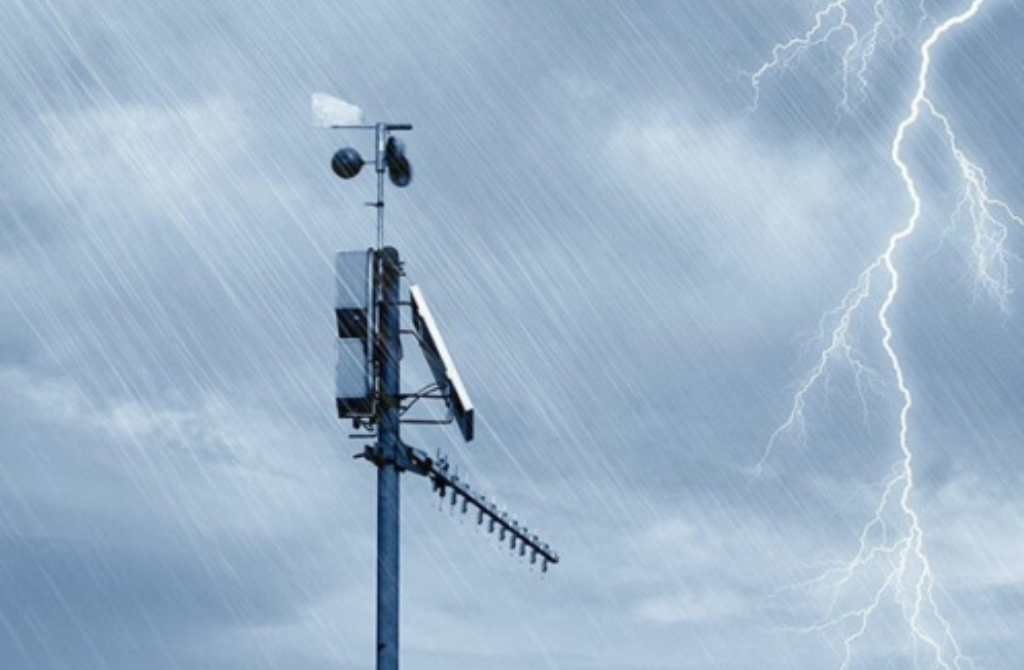
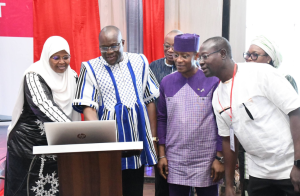
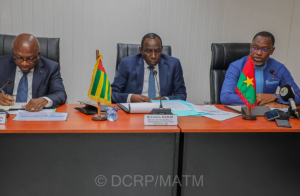
Since Monday, February 2, Lomé has been hosting a crucial regional meeting for Africa’s climate future. Organized by the National Meteorological Agency (ANAMET) of Togo in collaboration with the World Meteorological Organization (WMO), this training brings together experts from seven French-speaking countries: Comoros, Madagascar, Burkina Faso, Cameroon, Rwanda, Guinea, and Togo. For five days, meteorologists and hydrologists will strengthen their skills in managing and analyzing climate data; a vital mission for a continent on the front lines of global warming.
The objective is precise and strategic: to equip these specialists with the tools needed to interpret past and future climate trends, seasonal variability, and the increasing frequency of extreme weather events with greater accuracy.
This capacity-building effort directly aims to improve the quality of national climate reporting and the development of Nationally Determined Contributions (NDCs).
These NDCs, cornerstones of the Paris Agreement, represent the concrete commitments of each country in the fight against climate change. Robust, locally grounded scientific data is therefore essential for formulating realistic and measurable objectives.
“In the face of challenges posed by climate change, the availability, quality, and effective use of scientific climate information have become indispensable tools for decision-making,” emphasized the Director-General of ANAMET, Latifou Issaou.
This workshop goes beyond mere technical training. It is about empowering experts to translate complex data into accessible analysis and operational recommendations that can be directly used by policymakers, farmers, resource managers, and urban planners.
The goal is to turn climate science into a concrete lever for adaptation and socio-economic resilience.
The choice of Togo as host is not accidental. In recent years, the country has made notable efforts to modernize its climate data collection and analysis systems. These investments have enabled more effective integration of climate information into public policies and national development strategies, making Togo an example in incorporating environmental concerns into governance.
This regional initiative reflects an essential awareness: in the face of a universal challenge, the response must also be built locally by strengthening African expertise and professional networks.
By pooling their skills and harmonizing their methods, these seven French-speaking countries are not only preparing to better report to the international community.
They are also arming themselves to protect their populations and economies by building adaptation policies based on the most reliable science a science shaped, in large part, by their own specialists.
Chantal TAWELESSI