Burkina Faso: The government takes decisive action to restore the credibility of institutions
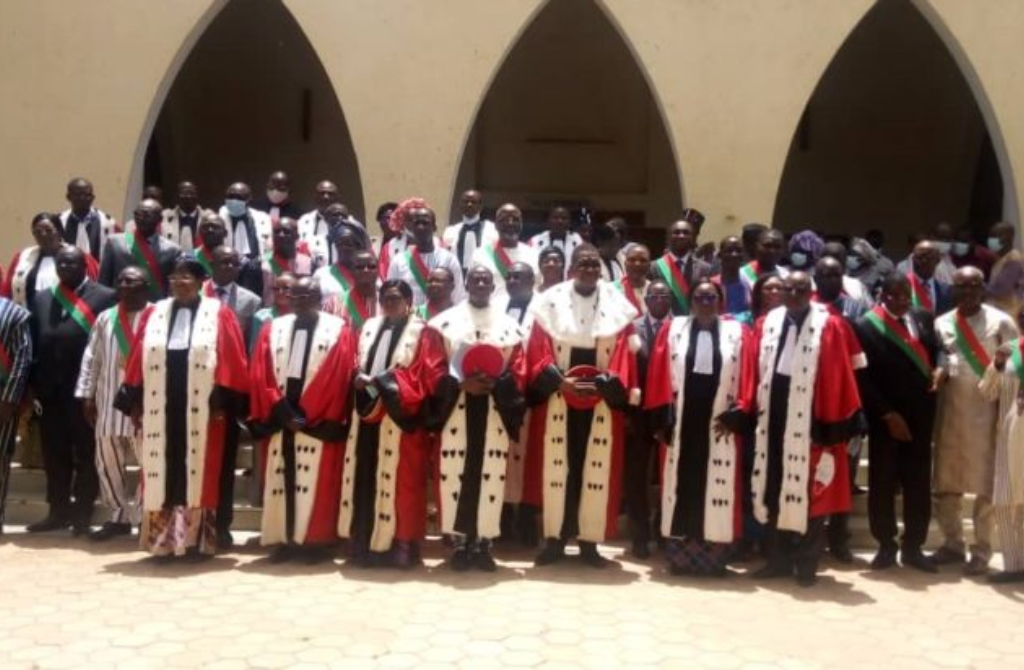
In Burkina Faso, justice shows zero tolerance for ethical breaches. Thirteen judicial officials, including magistrates and clerks, were sanctioned in 2025 for violating professional ethics. These measures, ranging from compulsory retirement to reprimands and demotions, reflect a growing demand for discipline and rigor now at the heart of the Burkinabe judicial system.
These decisions are not merely procedural. They signal a clear political will to strengthen the credibility of institutions and restore the trust of the citizens.
In a context where the integrity of the justice system determines the stability and legitimacy of the state, zero tolerance for misconduct has become a strategic imperative.
Every sanction issued sends a clear message to public officials: “The Republic demands responsibility, patriotism, and respect for the rules.”
Beyond the judicial sphere, this trend aligns with the broader logic of national renewal.
By enforcing discipline and demanding exemplary conduct, the Burkinabe state is shaping a governance culture in which ethics is not just a slogan, but a concrete driver of transformation.
Citizens observe, judge, and adjust their trust based on these actions. And the message is clear: institutions will not tolerate the compromise of their principles, even at the highest levels.
The results are tangible. In a country where the consolidation of the state relies as much on transparency as on competence, penalizing ethical failings sets a strong precedent, embeds rigor into the daily functioning of institutions, and helps rebuild eroded trust.
It shows that the policy of Burkina Faso is not limited to ambitious declarations but produces real effects on the ground, turning moral imperatives into concrete practice.
This conscious discipline, exercised in the service of the public good, fuels national sovereignty and dignity.
It reaffirms that rebuilding Burkina Faso is not achieved through programs or reforms alone, but through consistent, visible, and demanding actions.
In this sense, every sanction becomes an act of loyalty to the Republic, and every decision a milestone toward a stronger, fairer, and more respected state.
Today in Burkina Faso, rigor is not punitive, it is patriotic. And in this renewed discipline, the country is tracing the outlines of a future where ethics and the state are one.
Hadja KOUROUMA