African Union launches ambitious Water vision 2063 to tackle continental crisis
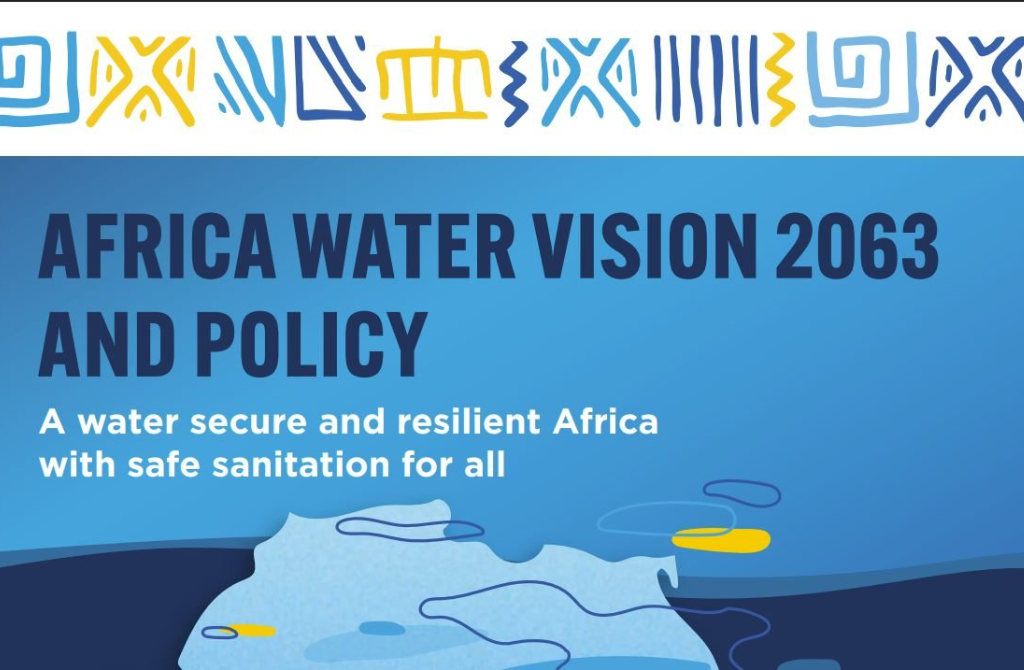
On February 15, 2026, in Addis Ababa, Africa took a decisive step forward in managing its water resources. On the margins of the 39th African Union Summit, heads of state launched the African Water Vision 2063, positioning water and sanitation at the heart of the political priorities of the continent. This initiative reflects a collective determination to transform a vital issue into a driver of development, climate resilience, and regional integration. With more than 400 million Africans lacking access to safe drinking water and over 700 million without adequate sanitation, the urgency for action has become imperative.
A Strategic framework built on eight pillars
The African Water Vision 2063 rests on eight strategic pillars, ranging from universal access and ecosystem protection to concerted basin management and strengthened data systems.
It aims to create a common foundation for governance, transboundary cooperation, and resilient investment.
The annual funding gap of $30 billion, combined with public allocations often below 1% of GDP, underscores the sector’s structural fragility.
The Vision provides a framework to address these shortcomings, guiding states toward coherent policies, ambitious programs, and rigorous monitoring.
Continental leaders emphasize transformative potential
The launch was described as a historic turning point by the Commissioner for Agriculture and Rural Development of the African Union, who emphasized that securing water and sanitation means securing the continent’s economic transformation.
Cheikh Tidiane Dièye, President of AMCOW (African Ministers’ Council on Water), stressed the continental dimension of the strategy, noting that prosperity, peace, and resilience are now intimately linked to the management of water resources.
The Continental Africa Water Investment Programme, which estimates annual needs at $60 billion, illustrates the pragmatic dimension of this approach and the necessity for innovative financial mechanisms adapted to climate change.
Water as the measure of collective sovereignty
Beyond figures and plans, this Vision translates a strategic choice: making water and sanitation a lever for social inclusion, food security, and economic competitiveness. It demands sustained political commitment and institutional discipline that, if respected, can profoundly alter the continent’s trajectory.
Africa now possesses a clear roadmap, but its success will depend on the capacity of states to transform ambition into concrete achievements. The mastery of water, on a continent where it underpins everything, becomes the true measure of its collective strength and sovereignty.
Michel GANFAT