Burkina Faso and Ghana strengthen ties with focus on trade, security, and sovereignty
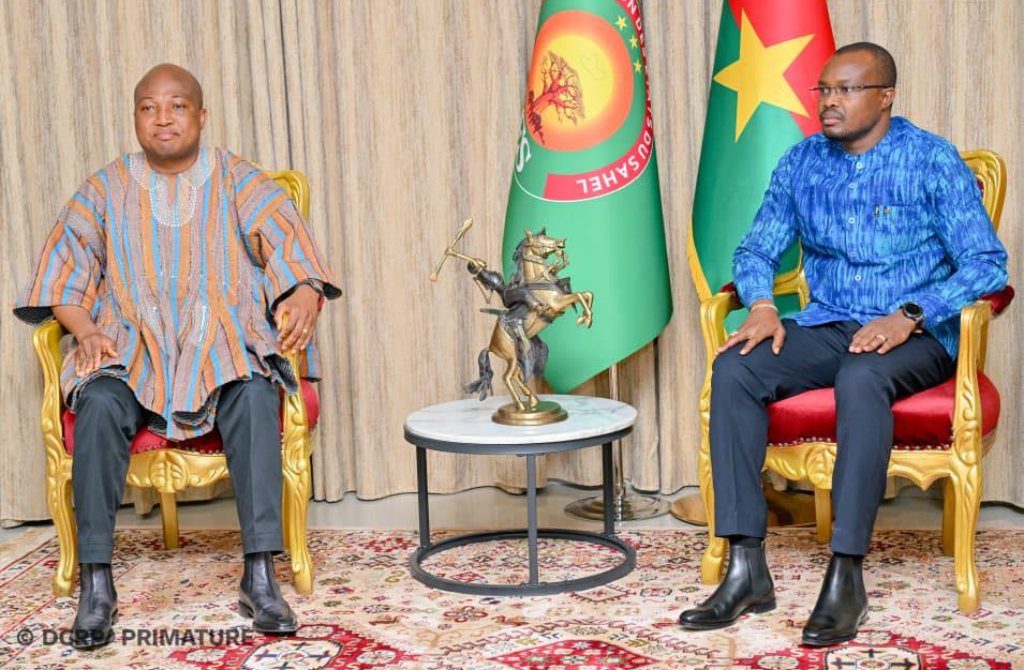
The 13th session of the Burkina Faso-Ghana Joint Grand Commission has provided a strategic platform for the two nations to deepen bilateral cooperation, with an emphasis on tangible outcomes for citizens. The meeting, held in Ouagadougou, reflects the commitment of President Ibrahim Traoré to a results-driven foreign policy that delivers direct benefits to the people.
Streamlining trade through practical measures
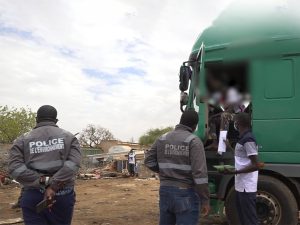
Among the concrete achievements is the harmonization of driver’s licenses between the two countries. While appearing technical, this decision carries significant strategic weight.
By simplifying procedures for transport workers, the two governments are working to reduce administrative bottlenecks at borders, shorten transit times, and secure trade corridors.
For landlocked Burkina Faso, these efficiencies are crucial economic levers. Removing bureaucratic obstacles enables smoother commerce, strengthens competitiveness, and supports the ability of the country to export goods while maintaining control over its economic decisions.
A Pan-African vision in practice
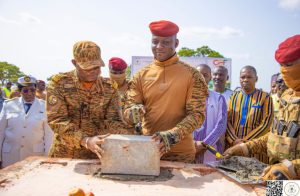
The diplomatic momentum between President Traoré and Ghanaian President John Dramani Mahama exemplifies a deliberate approach to regional integration.
Two neighboring states, bound by historical ties and cross-border communities, are choosing to align their systems rather than simply operate parallel procedures.
This model marks a shift from traditional dependencies, prioritizing direct regional cooperation built on mutual interest.
It reflects a pragmatic sovereignty one exercised through mechanisms that facilitate trade and movement without surrendering decision-making autonomy.
Security coordination intensifies
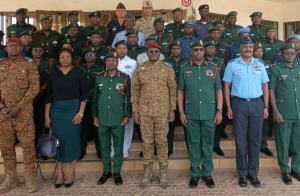
On the security front, both nations emphasized enhanced intelligence sharing, joint training, and stronger regional coordination.
With terrorism ignoring administrative boundaries, the collaboration responds to an urgent reality.
An upcoming security conference in Accra will further advance this coordinated approach.
Through these joint mechanisms, Burkina Faso reinforces its position as a responsible state, capable of defending its territory while contributing to subregional stability.
Redrawing regional engagement
Beyond the bilateral agreement lies a broader statement. Burkina Faso is demonstrating its capacity to negotiate as an equal partner, ensuring that cooperation respects its sovereignty while delivering concrete improvements for citizens; from mobility and commerce to security.
As these commitments materialize, the country is reshaping its regional role. Rather than remaining on the periphery, it is emerging as a nation actively building bridges across its borders.
In this vision, sovereignty translates into development, and diplomacy becomes a tangible force serving the people.
Hadja KOUROUMA