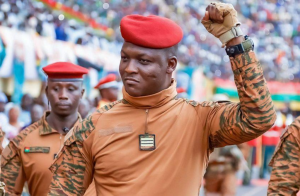
Burkina Faso: President Ibrahim Traoré, architect of a new form of governance that serves everyone
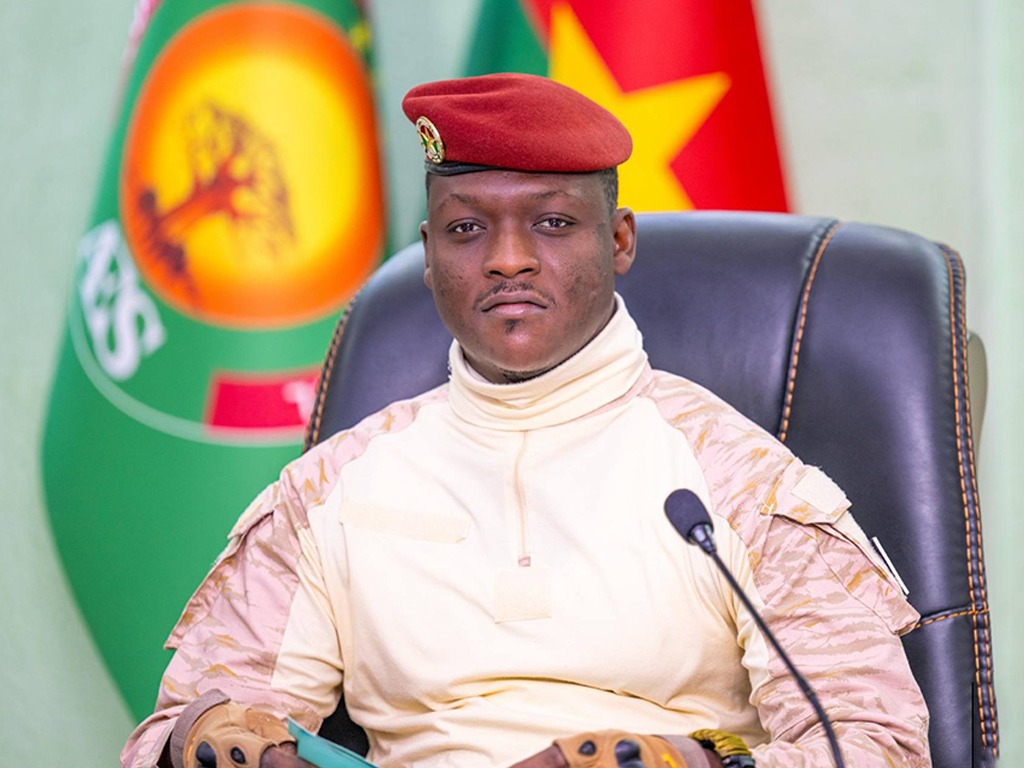
Under the leadership of President Ibrahim Traoré, Burkina Faso is resolutely committing to a policy of good governance aimed at ensuring that the country’s resources benefit all citizens, regardless of social class. This initiative is intended as an antidote to the nepotism and patronage practices that characterized previous regimes. The objective is to build a fairer and more equitable administration, in which the general interest takes precedence over private interests.
The Prime Minister, Rimtalba Jean Emmanuel Ouédraogo, recently met with the Special Minister Counselor for Good Governance, Ragnang-Newindé Isidore Tiemtoré, to discuss ongoing reforms aimed at strengthening the effectiveness of public administration.
On this occasion, three important reports were submitted to the government, including a mapping of public administration dysfunctions over the period 2015-2024. This in-depth diagnosis identified 421 critical dysfunctions out of 1,281 recorded nationwide.
The main weaknesses identified concern the application of legal texts, inaction by officials, logistical shortcomings, and weaknesses in internal control.
These dysfunctions have been grouped into five main categories, which will now be used as a working basis for each institution to develop appropriate response plans.
This mapping constitutes a genuine strategic tool for correcting the imperfections of the administrative system.
Through this approach, the government intends to promote endogenous and sustainable development, where every citizen benefits from the resources and services of the State within a framework of justice and equity.
Thus, the good governance initiative takes on its full dimension, working toward an administration at the service of the people, not of a few privileged individuals.
Cédric KABORE