Sahel: When International media become instruments of destabilization
For some time now, a rift has grown between Sahelian public opinion and certain international media outlets. Once-prestigious titles such as Jeune Afrique, RFI, France 24, and Le Monde are now perceived by the populations and authorities of the Alliance of Sahel States (AES) not as vectors of information, but as instruments of destabilization. How can this widespread distrust be explained? By media coverage that, through its bias, borders on apologism for terrorism and support for the very conflicts it claims to condemn.
The problem lies not so much in the facts reported as in the way they are named. When France is struck, French media speak without hesitation of terrorist attacks.
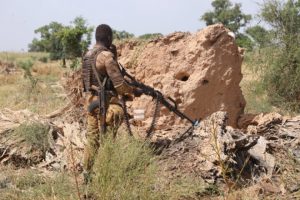
However, when it comes to the atrocities bloodying the Sahel, these same newsrooms opt for far tamer vocabulary, speaking of jihadist groups or insurgents, or even rebels.
This semantics is not trivial. It relegates the massacres of civilians to the level of a vague local conflict, disconnected from the global terrorist threat.
Worse still, it offers a form of legitimacy to organizations classified as terrorist. By refusing to use the term “terrorist” to describe the atrocities of JNIM or EIGS, these media participate in a form of trivialization of the evil striking Africa.
The most striking example of this drift remains the media treatment reserved for terrorist leaders.
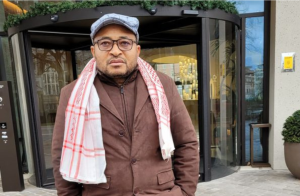
The case of journalist Wassim Nasr, collaborating with France 24 and RFI, is emblematic of this discomfort.
His interviews and detailed analyses of figures such as Hamadoun Kouffa, Iyad Ag Ghali, Djamel Okacha, and Abou Hassan al-Ansari have been perceived as a sounding board for the propaganda of armed groups.
This lexical complacency is accompanied by systematic opposition to the transition governments of the AES.
The same media that find mitigating circumstances not to label terrorists show implacable severity toward the military in power.
The recent ban of Jeune Afrique in Mali, on January 16, 2026, highlighted this mechanism.
These press organs, often funded by French public money, serve the interests of a former colonial power struggling to digest its eviction from the Sahel.
As the Minister of Foreign Affairs of Mali, Abdoulaye Diop, emphasized, this disinformation aims to perpetuate hegemonic policies and maintain a grip on minds, failing to maintain a physical grip.
The overwhelming majority of media attacks aim to delegitimize local and sovereign solutions.
Yet, while these Parisian newsrooms set themselves up as censors, it is the people of Burkina Faso, Mali, and Niger who pay the heavy price of this media war.
It is time for this hypocrisy to cease. The Sahelian populations deserve information that respects their pain and their struggle.
Hadja KOUROUMA