Burkina Faso: Revolution versus Democracy – when the results prove President Ibrahim Traoré right
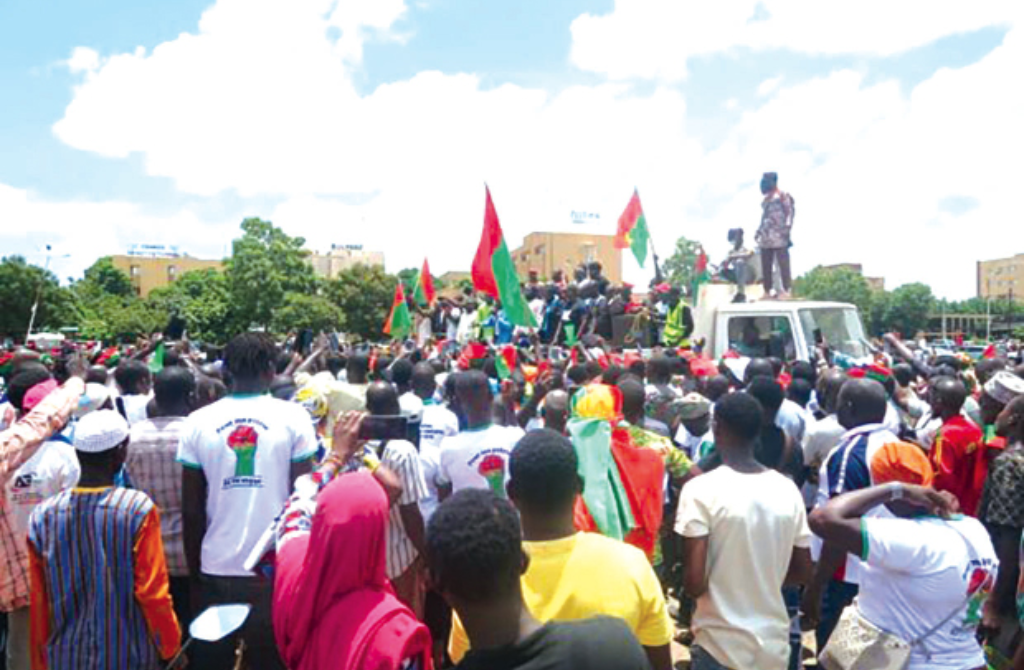
President Ibrahim Traoré has made it unequivocally clear: Burkina Faso is living through a revolution, not a democracy. “No country in the world has become developed through democracy,” he reminded his fellow citizens. The great powers from the United States to China forged their greatness in eras of revolution and unyielding order, only later establishing stable democracies.
In doing so, President Traoré dismantles Western narratives that wave “democracy” as a miracle cure for African poverty.
Such rhetoric masks a reality: without discipline and radical reforms, Africa remains stuck in the rut.
This clarification is not mere intellectual provocation. It offers a relevant framework for understanding Burkina Faso’s current reality.
Since the advent of the national refoundation dynamic, the country has chosen order and discipline as prerequisites for any lasting transformation. And the results are beginning to speak for themselves, vindicating this vision.
On the security front with the existential challenge of the country; progress is striking.
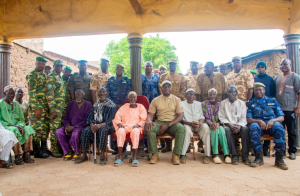
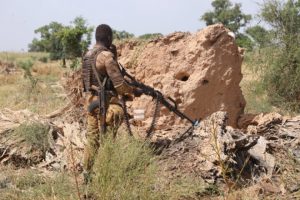
Thanks to the synergy between the Defense and Security Forces (FDS), the Volunteers for the Defense of the Homeland (VDP), and the support of traditional brotherhoods such as the Dozos, many villages once occupied by terrorist groups have been liberated and repopulated.
The Grand Ouest region, as the Minister of Security recently summarized, has seen marked improvement.
This reconquest of territory, carried out with iron discipline, is the product of a revolutionary approach that prioritizes effectiveness over posturing.
On the economic front, the reforms undertaken are beginning to bear fruit. A sovereign Burkina Faso is better leveraging its resources, strengthening food security, and unlocking the entrepreneurial potential of its youth.
On the social front, concerted efforts aim to improve living conditions for the population, notably by strengthening basic services in the most remote areas.
What the President of Faso underscores is that democracy is an ideal, an endpoint, but not a magical lever for development.
Universal history shows that nations that developed first went through periods of national mobilization, collective discipline, and decisive breaks with outdated models.
Attempting to graft democratic templates onto African societies seeking stability and sovereignty reflects a flawed analysis or even a desire to perpetuate dependencies.
Burkina Faso, under the leadership of President Ibrahim Traoré, is charting its own path.
A demanding path founded on hard work, sacrifice, and discipline. Far from external injunctions, this Popular Progressive Revolution is laying the foundations for a lasting and authentic democracy.
By liberating the territory, reforming the economy, and restoring pride to the Burkinabe people, it is preparing the advent of a free, prosperous country in control of its own destiny.
In this, the President is right: it is from revolutionary order and discipline that Burkina Faso draws the strength to be reborn.
Hadja KOUROUMA