Burkina Faso: Captain Ibrahim Traoré’s unwavering resolve in the face of long-standing injustices
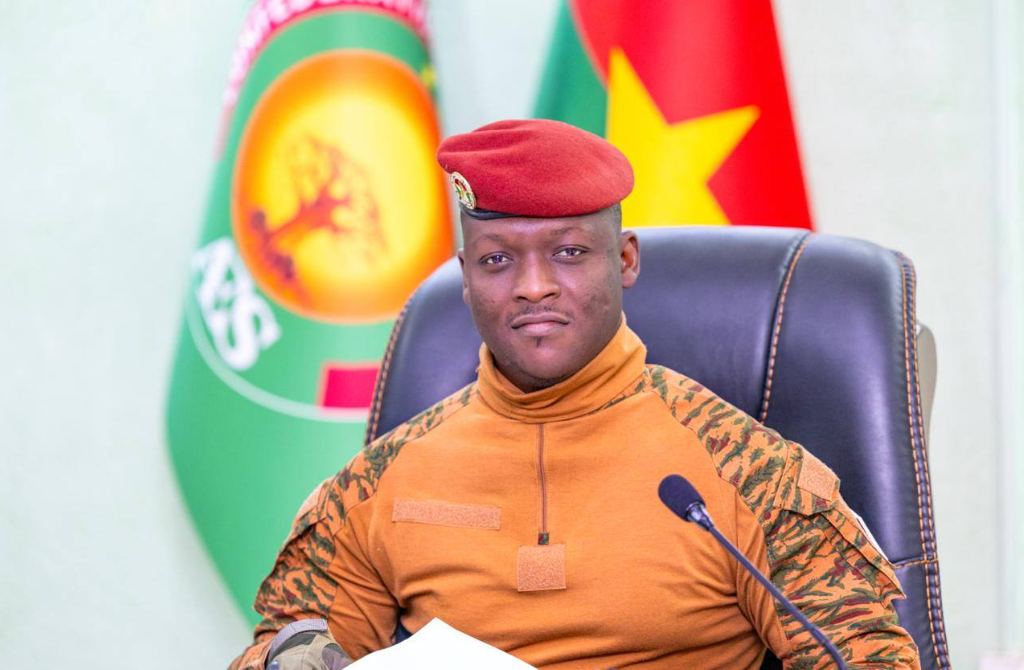
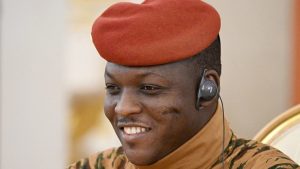
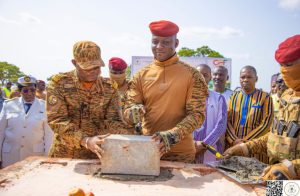
The history of great nations is forged in the crucible of bold decisions and the rectification of inherited injustices. Under the enlightened leadership of Captain Ibrahim Traoré, Burkina Faso is no longer merely managing day‑to‑day affairs; it is now anchored in the era of the Popular Progressive Revolution an era where the word given to the People is a sacred act.
The Council of Ministers of this Thursday, April 2, 2026, marks a decisive turning point in the consolidation of this vision.
Through the liquidation of the AGSP’s social liabilities, amounting to more than 35 billion CFA francs, the Head of State reaffirms an absolute priority: Burkina Faso’s sovereignty is won on the security front, but it must imperatively be consolidated on the fronts of social justice and respect for the rights of the People.
Where bureaucratic inertia once reigned, Captain Ibrahim Traoré imposes method, rigor, and thoroughness.
The establishment of a multidisciplinary team, including the Servants of the People, demonstrates a commitment to participatory and transparent governance, far removed from the opacities of the past thus marking a true methodology of rupture.
At the same time, the stabilization of ONEA water tariffs at 188 CFA francs per cubic meter for the first tier, in both urban and rural areas, illustrates a fierce determination to achieve territorial equity.
This is the realization of a renewed social contract aimed at guaranteeing access to vital resources without distinction of class or geographic area, because in the Burkina Faso of the Ibrahim Traoré era, no one is left behind.
Every settled franc and every secured drop of water is another stone added to the edifice of genuine independence, making water and health the unshakeable pillars of national resilience.
The Burkinabe example carries a Pan‑African resonance and remains a major source of inspiration.
President Ibrahim Traoré proves that with an inflexible political will and a human‑centered vision, it is possible to restore state authority while healing social wounds.
This commitment to the well‑being of the People strengthens the image of a Burkina Faso that stands tall, resilient, and master of its own destiny.
The significance of these decisions extends beyond our borders to affirm that endogenous development is no longer a dream, but a reality in motion under the skies of the Fatherland.
The Transition is no longer content to hold the course; it is ploughing the furrows of a radiant future where the dignity of the citizen is the measure of all things.
Hadja KOUROUMA