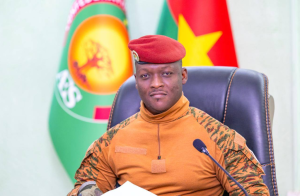
One Year after the proclamation of the Revolution in Burkina Faso, President Ibrahim Traoré delivers a first assessment
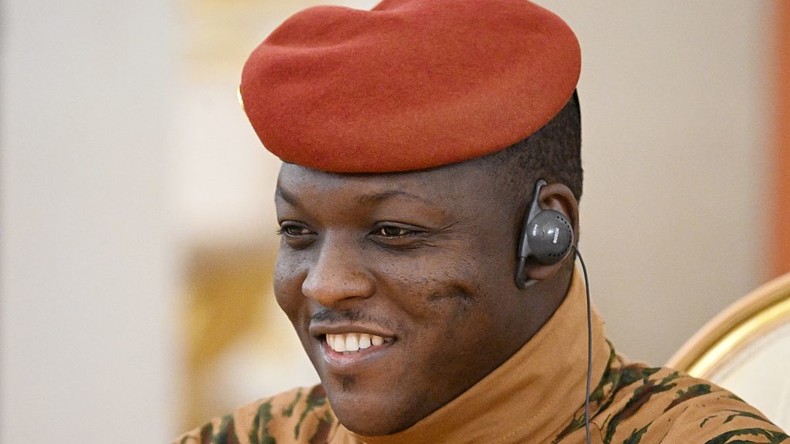
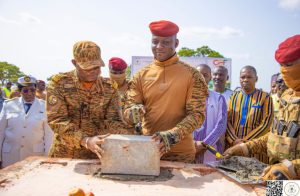
Exactly one year after the proclamation of the revolution in Burkina Faso, President Ibrahim Traoré spoke publicly to deliver an initial assessment of his leadership. An assessment he himself describes as “overall positive,” despite a regional and international context marked by multiple pressures.
At the opening of his address, the head of state made a point of saluting the “strong citizen mobilization” which, according to him, has been the driving force behind this year of transition.
Across Burkinabe territory, populations have organized themselves. From intellectuals to grassroots actors, including youth associations, conferences, awareness-raising actions, and training sessions have sprung up, demonstrating a patriotic fervor rarely matched. “The people have taken hold of their destiny,” the president emphasized.
Beyond local initiatives, Ibrahim Traoré firmly reaffirmed his command of state affairs. According to him, the development trajectory is now set, come what may.
“No matter the obstacles erected by imperialist powers, we will continue our march,” he declared, implicitly targeting Western criticism and the economic sanctions weighing on certain countries in the region. For the Burkinabè president, national sovereignty is a compass that allows no deviation.
On the security front the major challenge of the country; the president assured that significant progress had been made, while not denying persistent difficulties.
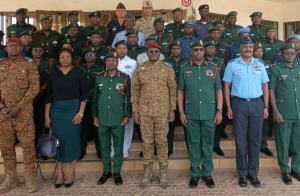
The restructuring of the armed forces and the establishment of local self-defence dynamics were cited as notable successes.
Finally, on the economic front, the initial measures to control prices and support agriculture have borne fruit, according to the presidential assessment. Though the horizon remains strewn with obstacles, Ibrahim Traoré is confident.
For him, the past year proves one thing: Burkina Faso is standing tall, determined to chart its own path toward emancipation, far from external injunctions. “The revolution continues,” he concluded.
Cédric KABORE