Burkina Faso: when vocational training paves the way to economic freedom
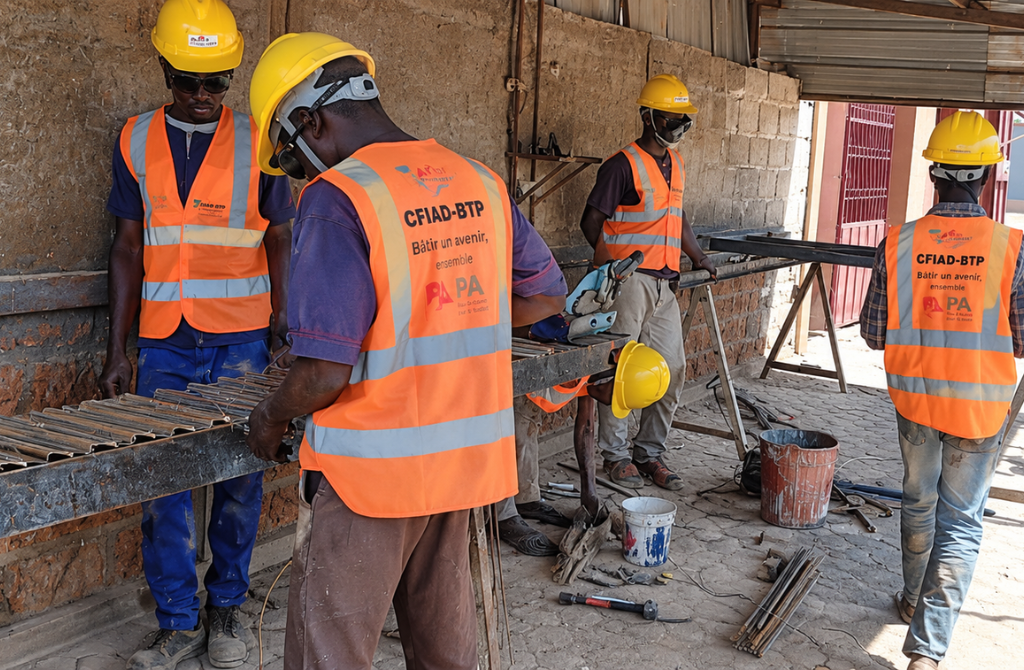
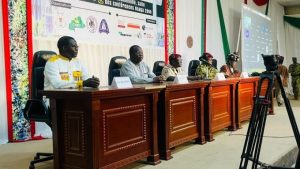
The word becomes a tool, and educational strategy becomes the heart of national ambition. In Ouagadougou, Minister Moumouni Zoungrana’s address before secondary education officials sets a clear course for the country’s development. Analysis of the speech reveals a perfect grasp of contemporary challenges, with training aligned to the local productive apparatus. With engineers and skilled workers at the center of the republican project, the Directorate of Technical Education injects a pragmatic momentum.
School no longer merely awards academic diplomas; it prepares hands and minds to build economic autonomy.
This repositioning marks a clear break with past habits, because the nation now seeks the direct transformation of its own raw materials.
The effectiveness of this trajectory rests on a powerful formula. “Are we going to repair machines with poetry? No! With science!” The line hits hard. It rings all the more true because the speaker holds the title of professor of oral literature. This choice of fine self-deprecation and direct realism breaks with the usual empty rhetoric.
The minister forcefully delivers an uncompromising diagnosis of the country’s real needs.
The state shows its understanding of the urgency on the ground. Without abandoning the humanities, priority now goes to technological fields and digital technology.
This skillful framing imposes an obvious point: industrial sovereignty requires absolute mastery of technology.
This discursive stance relies on direct incentive measures. The Hakili Mousso competition illustrates this desire to awaken scientific vocations among young people.
Housing, internet connection, scholarships: public authorities reward excellence in key disciplines such as mathematics and physics.
Government action thus combines recognition of talent with concrete material support.
Moreover, attention to the teaching staff and the possibility of professional retraining demonstrate inclusive management of reforms.
The speech brings people together instead of dividing them. It offers a future trajectory to all educational stakeholders.
This speech embodies a modern vision of the strategic state. The minister connects the classroom to the factories of tomorrow with great clarity. The executive affirms its desire for industrialization in the face of the century’s challenges.
The Kadiogo meeting thus lays the foundations of a new social contract, in which scientific knowledge constitutes the essential engine of national freedom.
Cédric KABORE