Ghana: “Feed Ghana Programme”: food sovereignty at the heart of a changing country
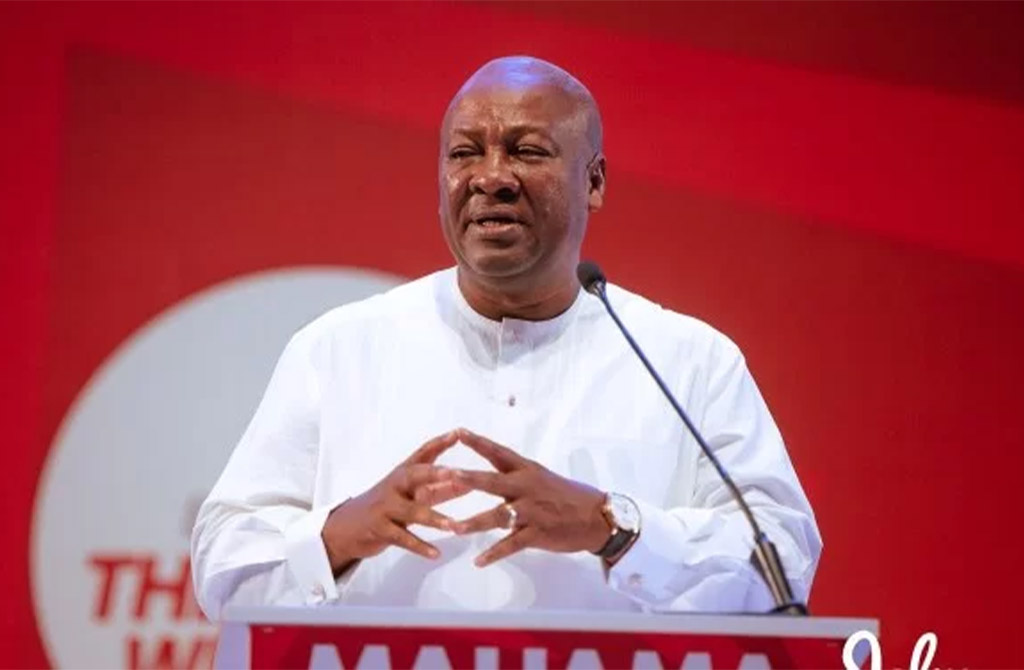
Faced with persistent food dependency that cost the country $2.5 billion in 2024, Ghana is taking a decisive turn. On Saturday, April 12, 2025, President John Mahama officially launched the “Feed Ghana Programme,” an ambitious initiative aimed at sustainably transforming national agriculture and strengthening the country’s food sovereignty.
With food imports estimated at 38.9 billion cedis in 2024 — over 53% of which were spent on cereals, oils, meats, fish, and sugars — Ghana’s trade balance has been weakened and its food security jeopardized. Amid a gradual decline in food inflation, from 28.1% in February to 26.5% in March 2025, the government aims to capitalize on this trend to initiate a paradigm shift.
The Feed Ghana Programme serves as a comprehensive framework uniting all existing agricultural initiatives, structured around four strategic pillars: increasing food production, promoting modern farming practices, strengthening rural infrastructure, and developing agro-industrial zones across all regions of the country.
A key ambition of the programme is to mobilize households, communities, and institutions around food production. The government particularly encourages the domestic cultivation of vegetables such as tomatoes, eggplants, and peppers, to reduce food expenditures and boost household self-sufficiency. Schools with access to farmland are also being involved. President Mahama announced that these lands will be used to grow produce for school canteens and to develop small-scale livestock farming — goats, cows, and sheep — in a bid to foster food autonomy and promote agriculture-related careers among the youth.
Integrated into the Economic Transformation Programme (AETA), the “Feed Ghana Programme” has been allocated 1.5 billion cedis in the 2025 budget. It stands at the heart of the national agricultural strategy, alongside other initiatives such as the Cereal Development Project, the Vegetable Project, and the “Nkoko Nkitinkiti” programme.
More than just a technical programme, “Feed Ghana” aims to be an inclusive policy — one that reconnects citizens with the land, creates sustainable jobs in agricultural and agro-industrial sectors, and reduces external dependency in an increasingly uncertain global context.
Adjowa