Burkina Faso: Creation of the Sahel Alliance of Agricultural Seed Producers, a decisive step towards food sovereignty
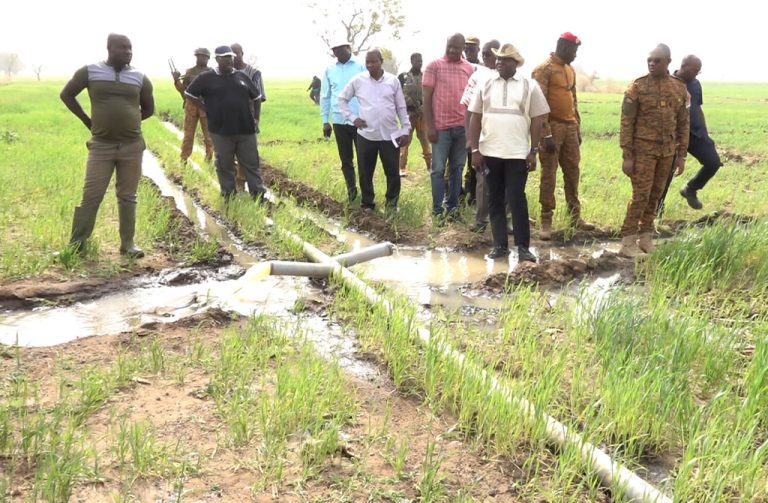
During the latest Council of Ministers meeting, the Minister of State in charge of Agriculture, Animal and Fisheries Resources presented a major communication regarding the creation of the Alliance of Agricultural Seed Producers of the Sahel (APSA-Sahel). This regional initiative, which brings together seed producers from the member countries of the Confederation of Sahel States (AES), represents a strategic advancement for the agricultural sector.
The primary aim of APSA-Sahel is to strengthen the production and marketing of high-quality seeds and seedlings, perfectly suited to the specific agro-climatic conditions of the Sahel. In a region where food security remains a critical issue, the alliance seeks to facilitate the free movement of seeds among member states—an essential factor for increasing the availability and diversity of agricultural seeds.
In addition to directly contributing to the food and nutritional sovereignty of the countries involved, the alliance also aims to build the technical and organizational capacities of producers and seed organizations. This focus on training and support is key to ensuring the production of high-performing seeds adapted to the region’s climate challenges.
APSA-Sahel also encourages public-private partnerships, seen as drivers of sustainable development in the seed sector. By bringing together public, private, and producer stakeholders, it fosters a collective dynamic that promotes innovation and the creation of local wealth.
Beyond national borders, the alliance will play an important role in representing the interests of seed producers at regional and international levels, thus strengthening the Sahel’s voice in global agricultural discussions.
Burkina Faso welcomes this ambitious initiative, which aligns with a vision of sovereign and sustainable development. APSA-Sahel is expected to become a decisive lever for sustainably improving living conditions across the region by placing science, cooperation, and seed quality at the service of food security.