Burkina-Faso/Territorial reform: Towards secure and endogenous sovereignty in Faso
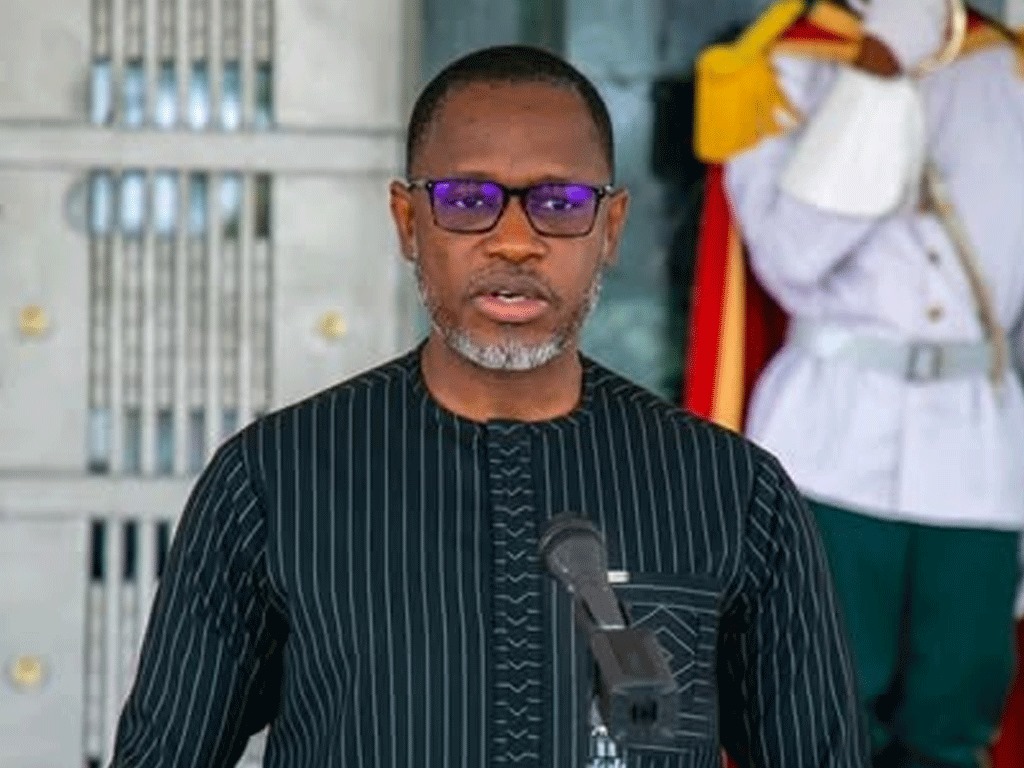
The reorganization of the territory, the new names, and the creation of new entities—decisions taken by the Burkinabe government under the leadership of President Ibrahim Traoré in the context of rebuilding the Nation—are expected to have a positive impact on the people. This bold reform carries several positive implications for citizens.
Beyond the strategic defense aspect, the reform strengthens local governance. Smaller administrative entities make it easier for the administration to be closer to the population. This decision also has a cultural dimension. The new names in national languages (e.g., Bankui, Djôrô, Goulmou) help to reinforce identity and indigenous values.
From an economic perspective, the reform supports economic and social recovery. The securing of rural areas encourages the return of displaced persons, the resumption of agricultural activities, and access to public services.
Furthermore, it promotes increased citizen participation. The Burkinabe people are actively involved in this national rebuilding effort through popular mobilizations and support for the reforms.
In short, this initiative reflects a determination to reclaim the territory, strengthen sovereignty, and promote territorial justice, while placing the citizen at the heart of the transformation process. It is a form of rebuilding that aims to be both secure, identity-based, and inclusive.