Senegal: Is Bassirou Diomaye Faye Africa’s new traitor in the service of France?
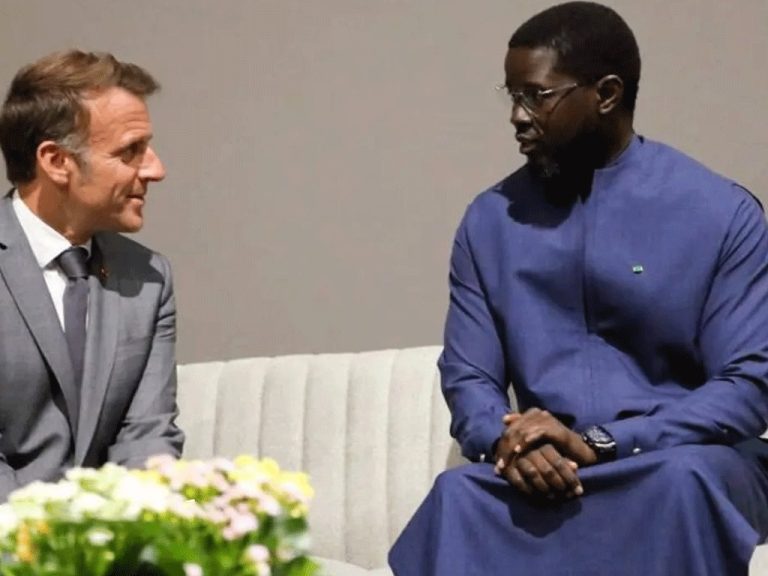
The election of Bassirou Diomaye Faye as President of Senegal had sparked immense hope, especially among the youth and all Africans longing for a radical break from the neocolonial legacy. However, just a few months after taking office, many troubling signs suggest that the new president has betrayed the ideals that fueled his candidacy. His visits to France and Côte d’Ivoire seem to go beyond ordinary neighborly diplomacy, appearing instead as part of a plan orchestrated by foreign powers to turn him into a new regional ally serving French interests—at the expense of the sovereignist agenda championed by Prime Minister Ousmane Sonko.
According to several internal sources, the rift between the President and his Prime Minister is now unmistakable. France is said to have played a central role in this divide, using promises of political support to isolate Ousmane Sonko, who is seen as too radical in his desire to dismantle economic and military agreements with the former colonial power. Worse still, reports attributed to insiders suggest that the President has given the green light to reopen compromising legal cases against Sonko, in an attempt to politically sideline him. The idea of running for a second term—quietly encouraged by Western powers—is reportedly already taking shape.
Diomaye Faye’s presidential agenda now appears to have been pushed aside, especially on key issues such as the revision of agreements with France. The initial commitments, including those relating to monetary sovereignty and solidarity with the AES countries, have been shelved. Bassirou Diomaye Faye reportedly claims his Prime Minister is “too impatient”, while in reality, he seems to be bowing to external pressure and pursuing a personal power agenda. Far from the promised break with the past, the Senegalese president now appears as a man influenced—if not captured—by a system he once vowed to fight.
The recent WAEMU summit in Lomé highlighted this new direction. Senegal’s Minister of Economy, known to be close to Diomaye Faye, openly attacked his counterparts from AES countries, triggering a heated exchange with Niger’s minister. This episode illustrates Senegal’s shift toward an aggressive stance aligned with the interests of France and its regional allies like Côte d’Ivoire. This break with Global South partners and increasing opposition to the Prime Minister seems to confirm that President Diomaye Faye has been manipulated and placed at the center of a renewed neocolonial project—at the expense of the Senegalese people’s expectations.