Ghana: Gas, how the country got burnt by the World Bank’s fire
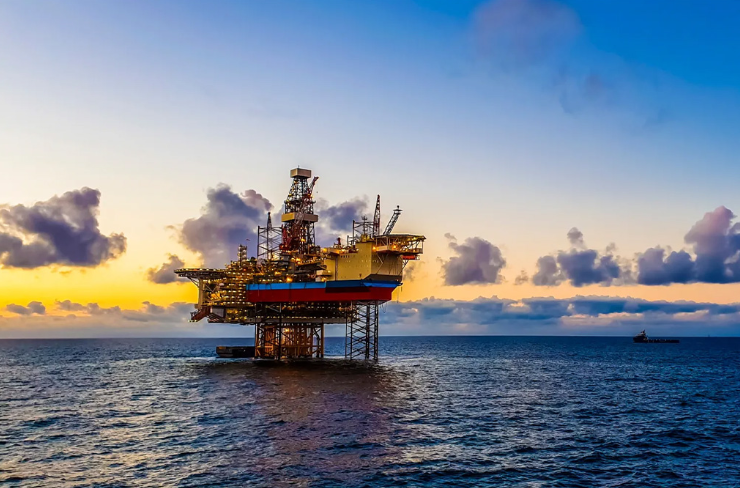
What was meant to be a blessing has turned into a burden. With the discovery of oil and gas reserves in 2007, Ghana hoped for a major economic turning point. The World Bank, enticed by this opportunity, injected nearly $2 billion to support the development of the gas sector—$1.2 billion of which went into the offshore Sankofa field starting in 2015. But this strategy, built on public-private partnerships (PPPs) and massive investments, has mainly led to a spiral of debt and increased dependence on fossil fuels.
The promoted model relies on contracts with rigid clauses—most notably the infamous “take or pay” agreements, under which the Ghanaian state is obligated to pay for a fixed volume of gas whether it uses it or not. However, processing infrastructure often lags behind, and electricity demand is inconsistent. The result: Ghana pays for unused gas or burns it at a loss just to avoid waste.
This logic has forced the country to run thermal power plants at low capacity, often operated by private producers under high contractual tariffs. The costs soar, subsidies increase, and citizens face skyrocketing electricity bills—without any significant improvement in access or service quality. By the end of 2024, energy sector debt had surpassed $3 billion and continues to grow by about $500 million per year.
A damning report by ActionAid Ghana and the Dutch NGO SOMO, titled “Gaslighting Ghana,” highlights a strategy that shifts all the risk onto the state while favoring investors. The model is deemed unsuitable, unbalanced, and destructive to energy sovereignty.
As the World Bank considers renewing its investments in gas, Ghana’s experience should serve as a wake-up call. The authors of the report call for the cancellation of fossil fuel debt and an urgent shift toward public, renewable, and resilient energy systems.