Sahel: Confederal citizenship affirmed with the AES e-passport and biometric identity card?
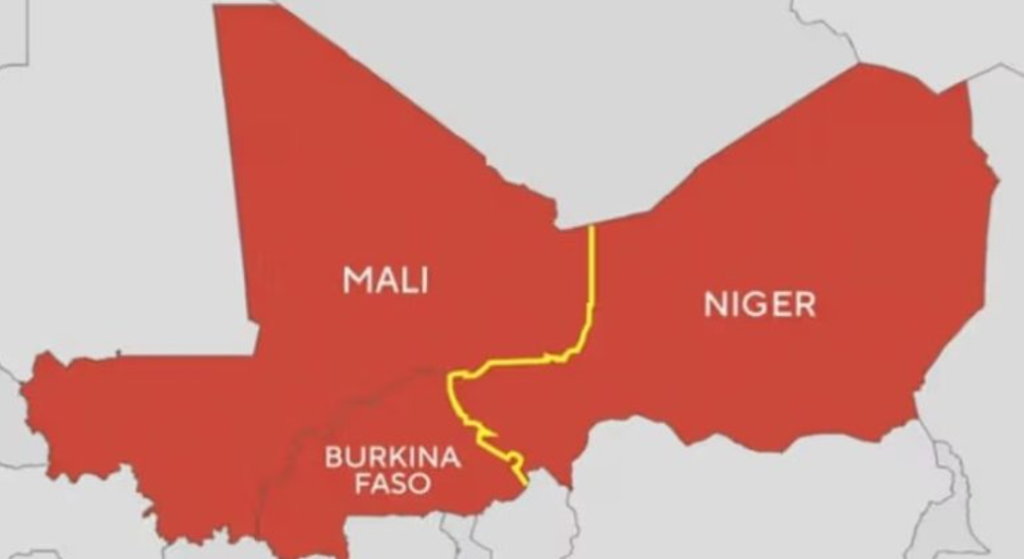
The Confederation of the Alliance of Sahel States (AES) has just taken a major step toward full sovereignty and regional integration. The Heads of State of Burkina Faso, Mali, and Niger have agreed to harmonize identity and travel documents within the confederate space. This decision follows the technical approval granted on November 22, 2024, in Bamako by the ministers in charge of security. As a result, on April 18, 2025, the President of the Confederation signed the official decisions establishing two key documents: the AES e-passport and the AES biometric identity card.
Beyond their administrative function, these two documents symbolize a clear break from the old order. They represent the emergence of a strong Sahelian citizenship built on sovereignty, solidarity, and pan-African identity. In a world where African passports are often ranked among the least powerful, the AES e-passport marks the beginning of a new era—one of dignity and mutual respect among the peoples of the Sahel.
With this initiative, AES member states reaffirm their commitment to building a robust confederation grounded in modern institutions and a shared legal framework. This harmonization also responds to the need for internal security and the smooth flow of movement. It is designed to strengthen border control while facilitating intra-confederal mobility for citizens—an approach rooted in smart integration.
However, the AES project extends beyond administrative reforms. Since its inception, the Alliance has been working to establish a new model of African cooperation. The creation of a joint 5,000-strong military force to combat terrorism, the launch of the Confederation Bank for Investment and Development (BCID-AES), and the diversification of strategic partnerships—particularly with Russia—are all reinforcing this historic transformation.