Niger / NIGELEC: The committee faces the challenge of energy reform and sustainability
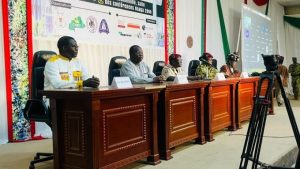
On July 21, 2025, Nigerien Prime Minister Ali Mahaman Lamine Zeine officially inaugurated an ad hoc committee tasked with drafting new governance rules for the recently nationalized Nigerien Electricity Company (NIGELEC). This initiative marks a pivotal step in the State’s effort to regain strategic control over a vital sector for the country’s development.
The committee has a wide-ranging mission: to assess NIGELEC’s financial status, propose a new framework for its personnel, revise its legal and administrative statutes, and most importantly, develop concrete proposals to ensure the company’s financial and technical sustainability. The task is daunting. One of the main challenges is the company’s precarious financial situation—burdened by accumulated debt, inefficient billing systems, and a low collection rate, all of which hinder its investment capacity. The committee will need to pinpoint inefficiencies, propose sustainable financing mechanisms, and restore the trust of technical and financial partners.
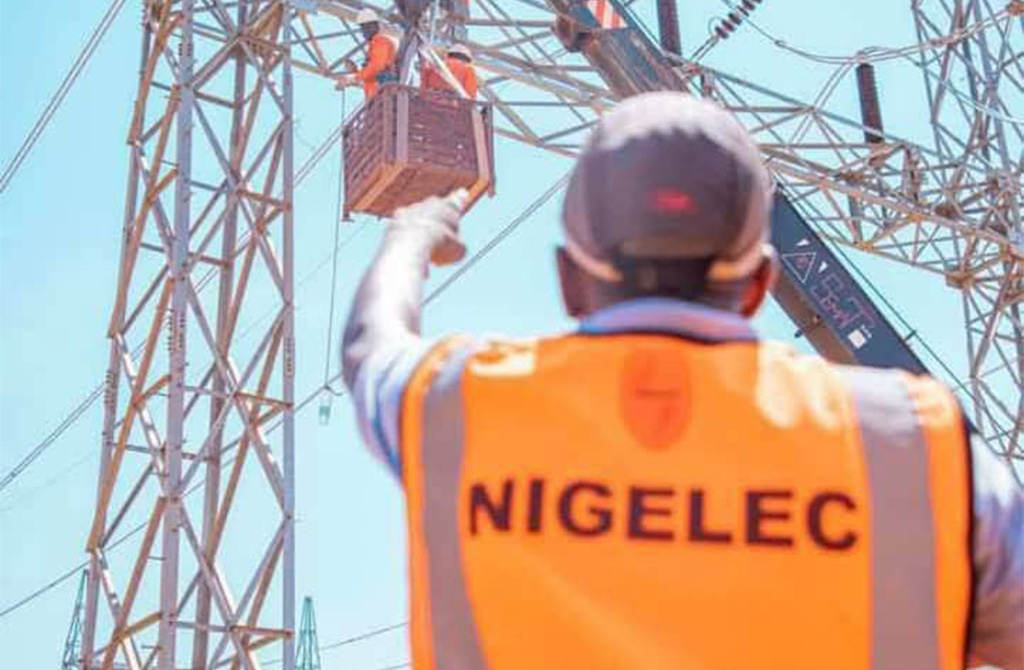
Another major challenge is service quality and electricity coverage. Despite recent efforts, many regions of the country remain partially or entirely without electricity. Frequent outages in urban areas disrupt productivity and daily life. A deep technical reform is required to modernize infrastructure, diversify energy sources—especially renewables—and optimize distribution.
Human resource management is also a critical issue. The committee must design a new personnel framework that balances social equity with performance, while adhering to budgetary constraints. Boosting staff motivation, enhancing skills, and instilling a results-driven culture will be key to the reform’s success.
Finally, governance itself needs a complete overhaul: transparency, accountability, conflict-of-interest prevention, and an end to opaque practices must form the core of the new model. To meet these challenges, the committee will adopt a participatory approach involving experts, labor unions, users, and partners. The goal is clear: to transform NIGELEC into an efficient public enterprise that serves all citizens and becomes a driver of national development.
Reforming NIGELEC will not be easy. But with strong political will, a clear vision, and collective commitment, it can become a model of strategic recovery in the public interest.