DRC: WHO lifts global alert on Mpox, but vigilance remains essential
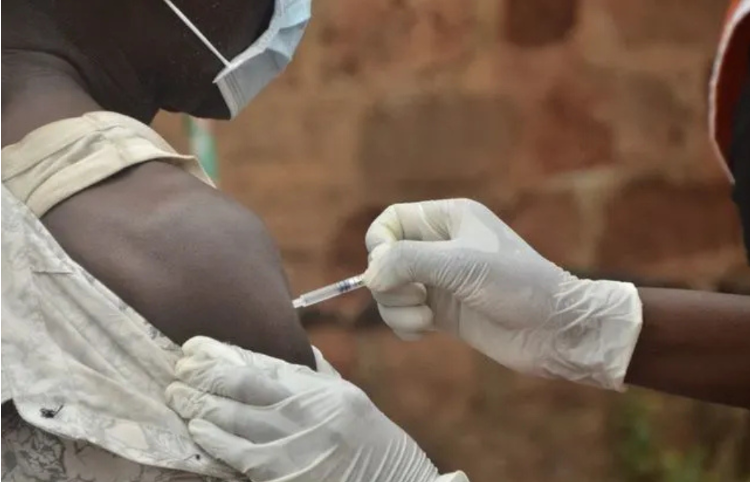
The World Health Organization (WHO) announced on Friday, September 5, 2025, that Mpox, an infectious disease related to smallpox, is no longer considered a public health emergency of international concern. This decision, made by Director-General Tedros Adhanom Ghebreyesus, is based on the significant decline in cases and deaths in the Democratic Republic of Congo (DRC) and several neighboring countries, including Burundi, Sierra Leone, and Uganda.
Mpox, caused by a virus transmitted to humans by infected animals, was declared a global emergency in 2024 on the advice of an expert committee. Researchers suspect certain rodents, particularly forest squirrels and the Gambian rat, to be the source of infection, although the exact animal reservoir has not yet been identified.
“This decision does not mean the threat has ended”, warned Tedros, stressing that the outbreak remains active, though now better understood. Experts now have more precise data on transmission routes and risk factors, while most affected countries have strengthened their response capacity.
First identified in the DRC in 1970, the disease is marked by high fever followed by characteristic skin lesions. Long confined to about ten African countries, it exists in two main forms: clade 1 and clade 2. In 2017, Nigeria reported the emergence of clade 2, affecting particularly men who have sex with men. In May 2022, its variant, clade 2b, spread globally, becoming more contagious and requiring isolation and vaccination to control.
In the DRC, Mpox’s fatality rate reached 3.6% in 2024, dropping to 1.7% among patients receiving proper medical care. The European clade 2b outbreak highlighted the vulnerability of people living with untreated HIV.
Although the global alert has been lifted, WHO urges continued efforts in surveillance, prevention, and treatment to avoid a resurgence.