Togo: The Togolese government is strengthening electrical infrastructure to achieve universal access to energy by 2030
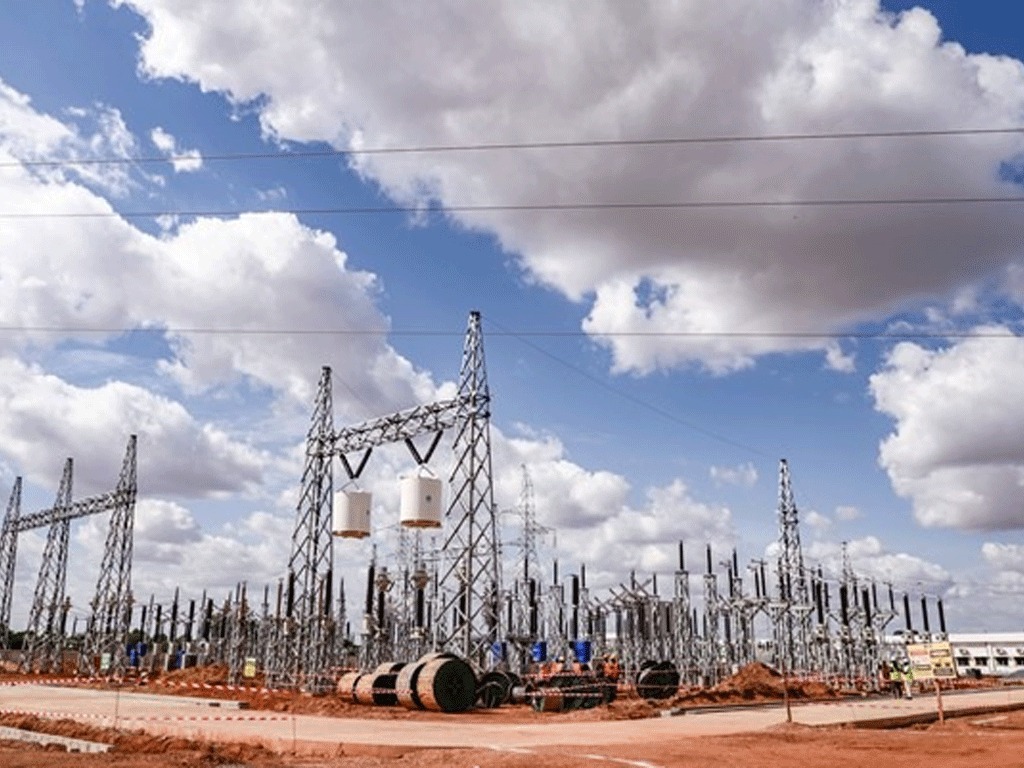
The Togolese government is steadfastly pursuing its ambition to make electricity a central driver of national development. Aware that rising energy demand—fueled by rapid urbanization and the growth of agro-industrial hubs—places significant pressure on existing infrastructure, the state has launched major investments to modernize and strengthen the power grid. These efforts aim not only to meet the immediate needs of households and businesses but also to prepare the country for sustainable and inclusive growth.
At the heart of this strategy is the construction of 250 km of 161 kV transmission lines connecting Davié, Notsé, Kpalimé, and Atakpamé. This major project will relieve the often-overloaded existing lines and ensure more reliable electricity supply. In parallel, the installation of new substations in Notsé and Kpalimé, along with the expansion of existing ones in Atakpamé and Davié, will enable more efficient energy distribution, taking a decisive step toward a more balanced national coverage.
Similarly, Togo has initiated the relocation of the 161 kV Momé Hagou–Adjarala line, currently shared with Benin, onto its own territory. By bringing this strategic infrastructure under national control, the country strengthens its energy sovereignty and secures electricity delivery to the northern regions. This long-term initiative underscores the critical role of a reliable national grid in supporting industrialization and economic competitiveness.
Through these large-scale projects, the Togolese government demonstrates its commitment to expanding electrification, securing supply to major urban centers, ensuring service continuity, and preparing the national network for future growth by 2030. These measures bring Togo closer to universal electricity access, essential for population well-being, job creation, and accelerated socio-economic development.