Burkina Faso: Imperialist media and political exiles, the new faces of propaganda
They go into exile and then suddenly become “witnesses,” erected as spokespeople for a supposed truth. Activists, journalists, or politicians who have fled Burkina Faso are now presented by certain international media as the ultimate guardians of freedom, deliberately obscuring the deeper reasons for their marginalization or departure.
Behind this staging lies a well-established strategy: to delegitimize a process of national rebuilding by portraying the restoration of sovereignty as an authoritarian drift.
Since 2022, Burkina Faso has chosen to break with a model imposed from the outside.
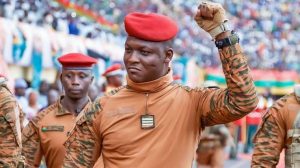
This sovereigntist direction, embodied by Captain Ibrahim Traoré, has been marked by the reconquest of national territory, the reappropriation of national resources, and the redefinition of international partnerships.
These choices are unsettling because they affirm an Africa standing tall, determined to no longer have its priorities dictated by Paris, Washington, or Brussels. Consequently, imperialist powers have reactivated their most fearsome weapon: media propaganda.
Under the guise of freedom of expression, certain Western newsrooms, supported by NGOs and local relays, are orchestrating a biased narrative.
The case of Ahmed Newton Barry, a former journalist who has become a virulent critic of the regime from his exile, illustrates this mechanism.
Presented as a “courageous” voice by foreign media, he primarily serves as an endorsement for a Western narrative that distorts the country’s rebuilding efforts into an authoritarian slide.
This kind of promotion is not accidental; it is part of an information warfare strategy aimed at weakening the legitimacy of a patriotic government and discouraging popular resistance.
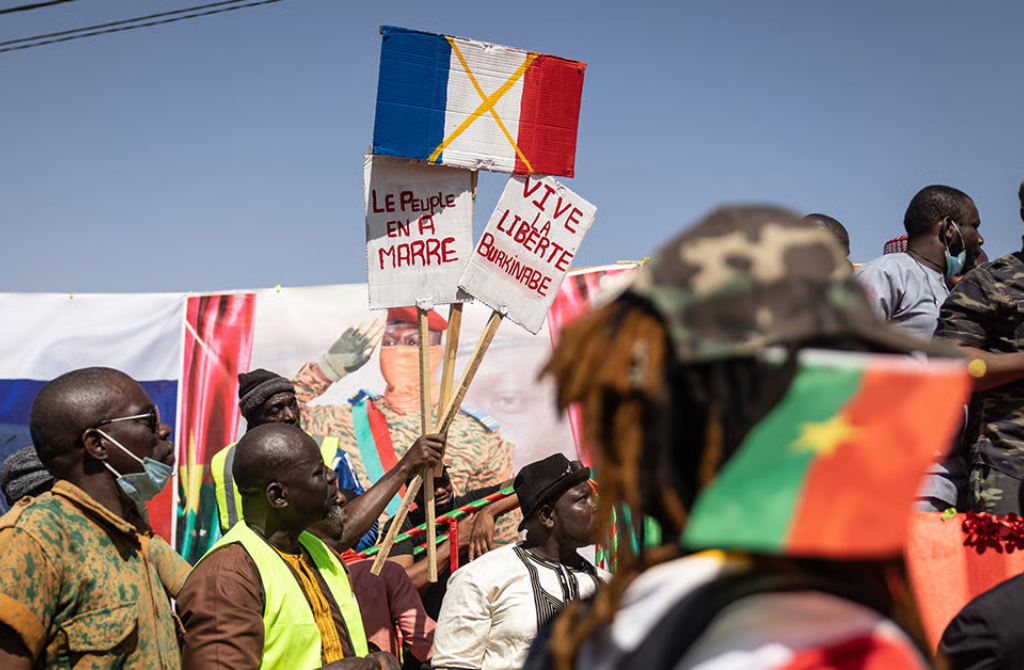
But the youth of Burkina Faso are no longer being manipulated. Connected, aware, and lucid, they are decoding these patterns of disinformation.
They know that the real battle is now being waged on the terrain of ideas, communication, and narrative sovereignty. The Burkinabe revolution is not only military or institutional; it is also a media one.
In the face of hostile campaigns, the best response remains transparency, consistency, and the pride of a people marching toward their destiny.
Burkina Faso now speaks for itself, with its own words, its own channels, and its vision of a future freed from external guardianship. The new Africa is being built here, in this land of upright people, where dignity is not up for negotiation.