Togo: A strategic step forward in health sovereignty with the integration of Focal One
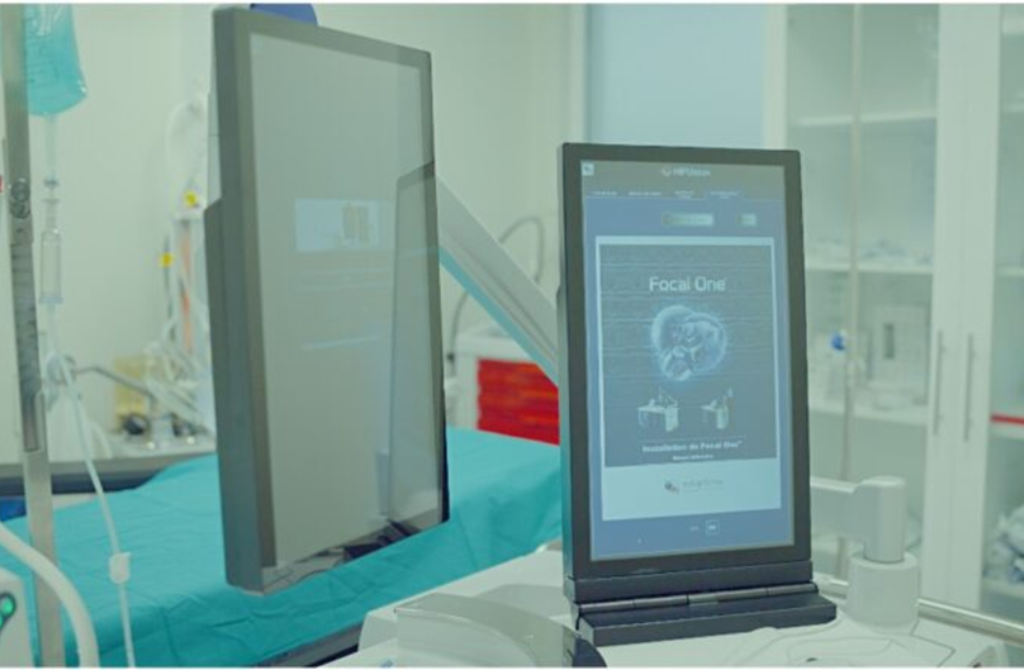
In an African context where advanced medicine often remains out of reach, the introduction of the Focal One device at Lomé’s Dogta-Lafiè Hospital marks a strategic shift towards health sovereignty. This acquisition is more than just new equipment; it signals the determination of Togo to rebuild its health system, improve patient care, and, crucially, develop the capacity to anticipate needs rather than just react to crises.
The arrival of this robotic technology for treating prostate cancer with high-intensity ultrasound is a definitive turning point.
It is the first hospital in Africa to possess a tool capable of performing precise, incision-free interventions without radiation, drastically limiting post-operative complications.
The message is clear: Africa is no longer content to just follow. It is now selecting, adapting, and mastering technological solutions to address its own health realities.
This advancement embodies a powerful vision: to modernize without creating dependency. Sovereignty is not born from purchasing a device, but from the ability to operate, maintain, and transmit the knowledge to use it.
This is why the project’s cornerstone is the training of local engineers, urologists, and technicians, solidifying Togo’s internal expertise.
This strategic choice goes beyond medical performance; it builds durable health autonomy.
This effort is complemented by the launch of an early breast cancer screening center, demonstrating a coherent strategy of prevention, early diagnosis, and effective treatment.
The example of Dogta-Lafiè reveals a decisive reality: in Togo, the fight against disease is accompanied by a reclaiming of control.
Medical progress becomes a political instrument to strengthen national confidence, valorize local skills, and shatter the notion that excellence must be imported. Togo’s health future is being built where political will meets scientific rigor.
Kodjovi Makafui