Burkina Faso welcomes Zuma as a symbol of african reclamation
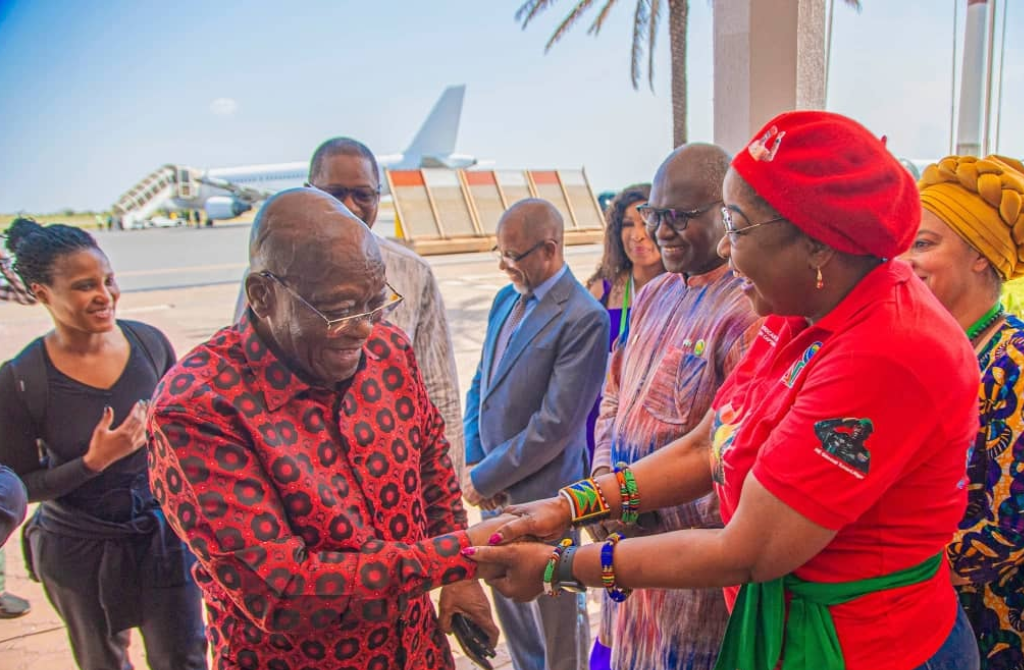
The arrival of former South African President Jacob Zuma in Ouagadougou transcends a simple state visit, positioning him not as a foreign politician but as a “bearer of memory” for the continent. His presence marks a pivotal moment in Burkina Faso’s ongoing refoundation, signaling a strategic shift towards building its future on the foundations of Africa’s own liberation struggles and collective intelligence, rather than on imported models.
This “return to sources” is framed not as nostalgia, but as a conscious political choice. Zuma was welcomed as a “comrade in struggle,” a gesture that underscores a deeper political and ideological alignment between African nations seeking to reclaim their sovereign narrative.
His stated purpose to “accompany my Burkinabe comrades in authority” highlights a fraternity among contemporary African resistances.
The visit is presented as part of a broader project to rehabilitate African memory as an instrument of power.
By supporting this initiative, Burkina Faso asserts that true liberation is won not only on military or economic fronts, but also in the realm of consciousness.
The nation is thus casting itself as a crossroads for an identity renaissance, where new narratives of dignity and self-determination are being forged.
This reconnection to a shared history is portrayed as the key to a collective, transborder liberation.
Cédric KABORE