Burkina Faso: Climate resilience at the heart of territorial reform
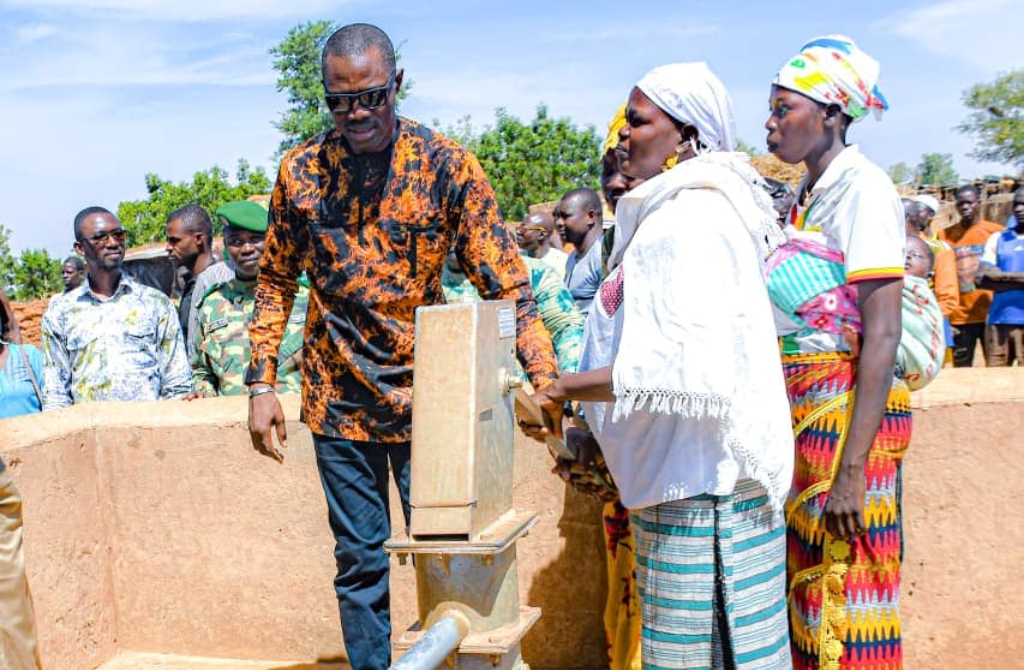
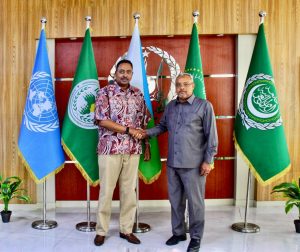
In the face of climate change threatening local economies and social stability, building resilient communities has become a strategic priority for national renewal. A recent visit by the Minister of Environment, Water, and Sanitation, Roger Baro, to the commune of Boussouma exemplifies a government approach to anchor development in local realities and community-expressed needs.
This effort is driven by the LIFE-AR initiative, led by the Least Developed Countries group, which is distinguished by its participatory model. Rejecting top-down, uniform interventions, LIFE-AR makes community planning the foundation of public action.
Local delegations, community groups, women, farmers, and local authorities are the ones defining needs, selecting investments, and setting priorities. In essence, national rebuilding begins at the municipal level.
In Boussouma, the results are tangible. Two new hand-pump water systems now provide potable water to over 11,000 residents, reducing the burden of water collection and improving hygiene.
Access to water becomes both a matter of dignity and an economic lever. Women who previously relied on selling firewood are transitioning to market gardening, which reduces pressure on forests and helps preserve natural resources.
Further empowering communities, the initiative has provided equipment for processing non-timber forest products to 11 women’s groups.
Concurrently, the reclamation of 245 hectares of degraded land and projects for small-scale irrigation and water reservoirs are bolstering food security and livelihood stability.
The strategy of the government transcends infrastructure. It represents a vision of territorial sovereignty rebuilding communities from within, using their own resources, knowledge, and priorities. The people are no longer passive beneficiaries but active architects of their own future.
By integrating climate resilience into the national fabric, this policy fosters dignity, autonomy, and sustainable development, proving that a stronger nation is built one empowered community at a time.
Cédric KABORE