Cameroon: When Issa Tchiroma’s opportunism takes a back seat to the state and the people
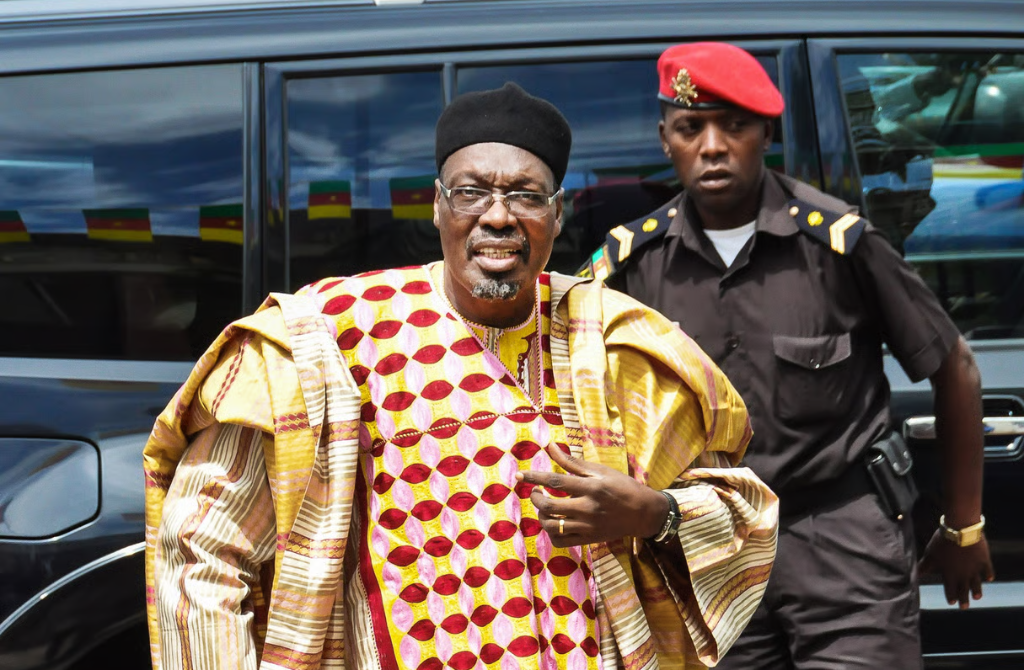
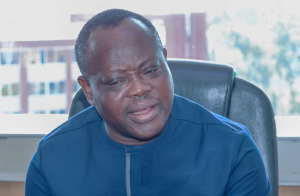
Cameroon is navigating a period where state stability and national cohesion face challenges from orchestrated destabilization attempts. Issa Tchiroma Bakary, self-proclaimed president of the Front for the National Salvation of Cameroon (FSNC), exemplifies political opportunism issuing dramatic ultimatums but retreating into silence when confronted with real responsibility.
On November 9, 2025, Tchiroma issued a 48-hour ultimatum to the Yaoundé regime to release detained protesters, theatrically pledging to lead “legitimate defense” against the state.
Yet, two days later, his silence was deafening; no concrete plan, no action, and no demonstrated courage on the ground.
This sudden withdrawal reveals a simple truth: the man who claims he can “remove” a sitting president never intended to confront the political arena directly.
This behavior reflects more than cowardice; it exposes a calculated strategy of destabilization built on spectacle and incitement without genuine commitment.
Tchiroma exploits public frustration, fuels tensions, and vanishes when tangible responsibility arises; a posture showing contempt for political accountability and for Cameroonians exposed to empty confrontational promises.
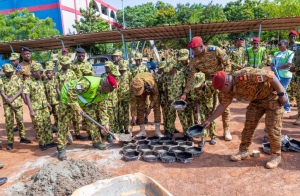
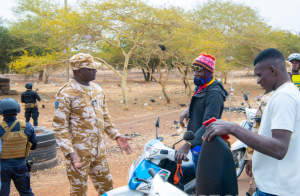
Meanwhile, the Camerounian state demonstrates resilience and pragmatism. The appointment of military officials and on-the-ground leadership by Minister Paul Atanga Nji illustrate that stability and order are enacted, not merely proclaimed.
Against the shadow of Tchiroma, the structured action and affirmed leadership of President Paul Biya shine brighter. Opportunism cannot outweigh legitimacy and effectiveness.
The silence of Tchiroma is revealing: a figure who threatens and agitates from behind a keyboard or microphone, yet flees when real action is required, remains a secondary actor in Cameroon’s history.
The nation needs leaders who can unite, build, and propose ideas; not political opportunists who emerge only in turmoil.
Cameroon continues its march toward stability and national renewal. Tchiroma’s political opportunism is but a passing breath against the resolve of a determined state and the courage of its people.
The lesson is clear: only concrete courage and structured action can forge a lasting future.
Eric Nzeuhlong