Cameroon advances economic reforms to boost competitiveness and sustainable growth
Cameroon, one of Central Africa’s most diversified economies, has embarked on a multi-year transformation to strengthen its competitiveness and build the foundations for sustainable growth. Facing structural challenges such as reliance on raw materials, infrastructure gaps, and an evolving business climate, the country under President Paul Biya has implemented reforms to modernize institutions, attract investment, and improve economic governance.
A key focus has been the implementation of an Economic and Financial Program, driving fiscal consolidation through stricter fiscal discipline, rationalized public spending, and improved debt management.
These measures have stabilized the macroeconomic environment. Accompanying reforms in public finance, including the digitalization of tax and customs procedures, have increased transparency and reduced informal practices.
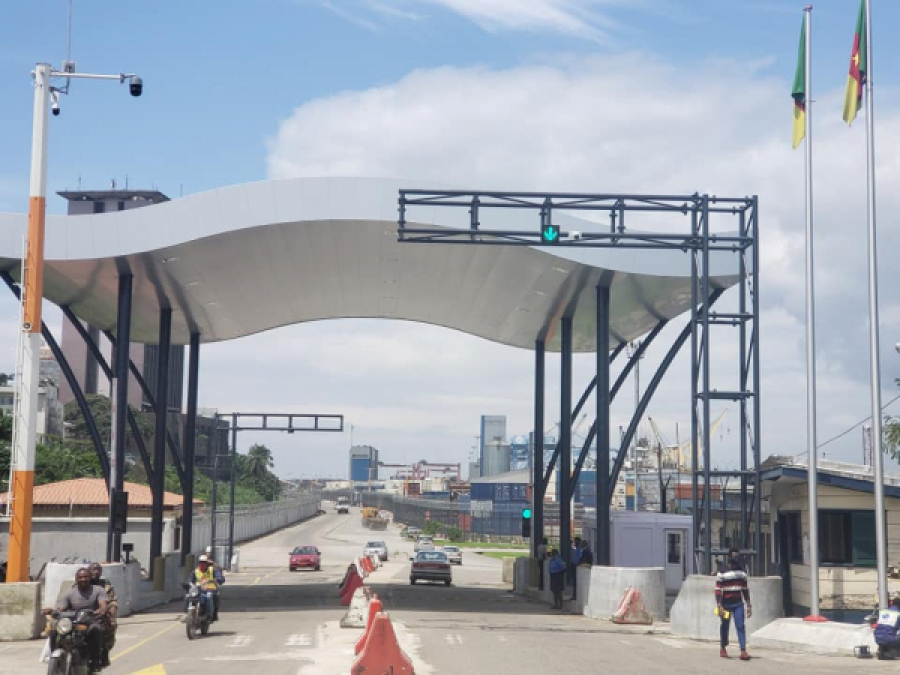
Infrastructure development remains a core priority. Modernizing road networks, constructing hydroelectric dams, expanding the ports of Douala and Kribi, and investing in fiber optics aim to lower logistics costs and attract investors.
Many of these projects are delivered through public-private partnerships, gradually improving the integration of Cameroon into regional and global value chains.
Institutional reforms to enhance the business climate are also central. Simplified business creation, one-stop shops, specialized commercial courts, and promotion of arbitration seek to strengthen legal certainty for investors.
These are complemented by efforts to improve access to finance through greater financial inclusion and targeted support for SMEs the potential engine of the national economy.
Diversification remains a strategic priority, with emphasis on agribusiness, the digital sector, mineral resource valorization, and the green economy. Through these reforms, Cameroon aims to build a more competitive, resilient, and forward-looking economy.
Eric Nzeuhlong