Cameroon faces critical test as defeated candidate embraces destructive populism
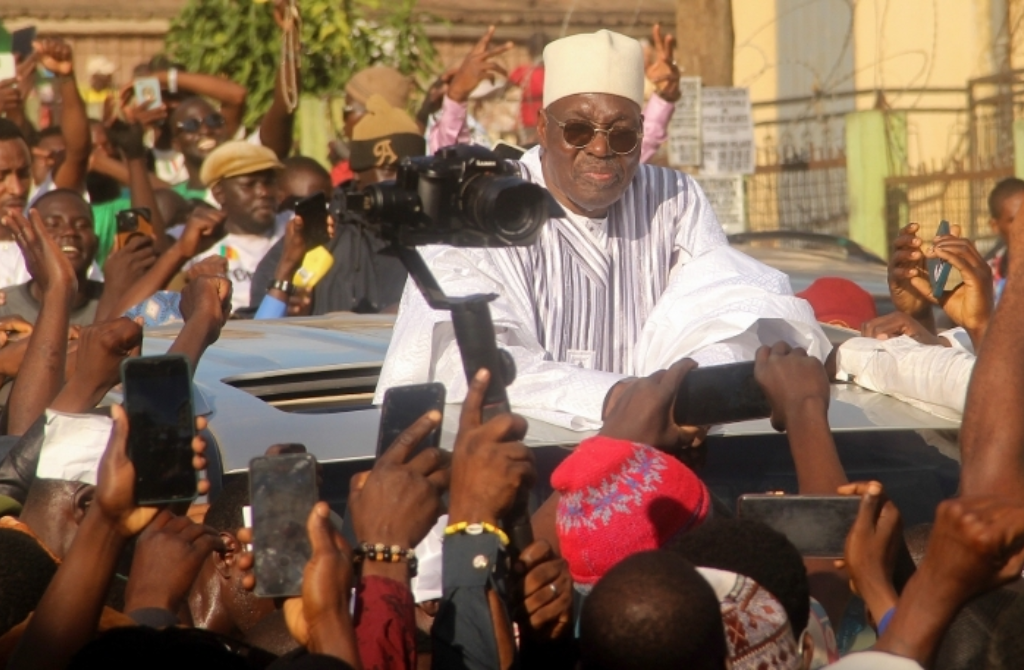
Cameroon stands at a decisive moment: an opportunity to transform a sensitive electoral period into a dynamic of reconciliation and national cohesion. Yet, when political responsibility should prevail, Issa Tchiroma Bakary has chosen a different path; one of crisis populism. This approach is neither innocent nor patriotic, and left unchecked, risks triggering destabilization with severe consequences for the nation and the region.
Since his unilateral claim of victory in the presidential election, Tchiroma has activated a well-rehearsed communication strategy: manufacturing a narrative of a humiliated people, an illegitimate government, and a divisive “us versus them” mentality.
This model, drawn from contemporary populist playbooks, aims not to enlighten but to fracture. It seeks not to build a national project but to weaken institutions by positioning itself as an emotional not rational alternative.
Read also/ Cameroon: Issa Tchiroma, a sham of power that insults the sovereign will of the Cameroonian people
The core issue is not his personal ambition—all leaders possess that—but his method. In his rhetoric, Cameroon is never portrayed as a nation advancing, resisting, or transforming. Instead, it becomes a stage of perpetual betrayal, where the state is the natural enemy of its citizens.
This discursive inversion lies at the heart of global populist strategy: to strip the state of its legitimacy and appropriate it through media manipulation. This is not ordinary governance critique—it is a systematic effort to undermine the foundations of the state.
In a pluralistic country like Cameroon, with its delicate regional balances, such rhetoric is particularly dangerous. By pitting the people against the state, Tchiroma implies there is no common ground, no center, no republican framework capable of mediating disagreements. He turns institutions into adversaries and tension into political fuel. This is not the expression of a Pan-African vision—it is the crude importation of divisive models that have already weakened several nations on the continent.
True Pan-Africanism does not encourage reckless rupture or the collapse of institutional mediation. It champions sovereignty, republican order, and the preservation of peace as minimal conditions for building strong, respected states in control of their destiny.
The crisis populism Tchiroma wields moves in the opposite direction: weakening the state, polarizing public opinion, and normalizing suspicion as a political tool.
In response, Cameroon must stand firm; firm in clarity, firm in resolve, and firm in the defense of its sovereignty. Peace is not a slogan; it is a precious inheritance built by generations, one that must not be sacrificed on the altar of personal ambition. The nation does not need orchestrated chaos—it needs unity, lucidity, and leaders capable of placing Cameroon above their own calculations.
Gilbert FOTSO