Mali/Mauritania: Faced with double-dealing, the imperative of sovereignty redefines the rules of neighbourliness
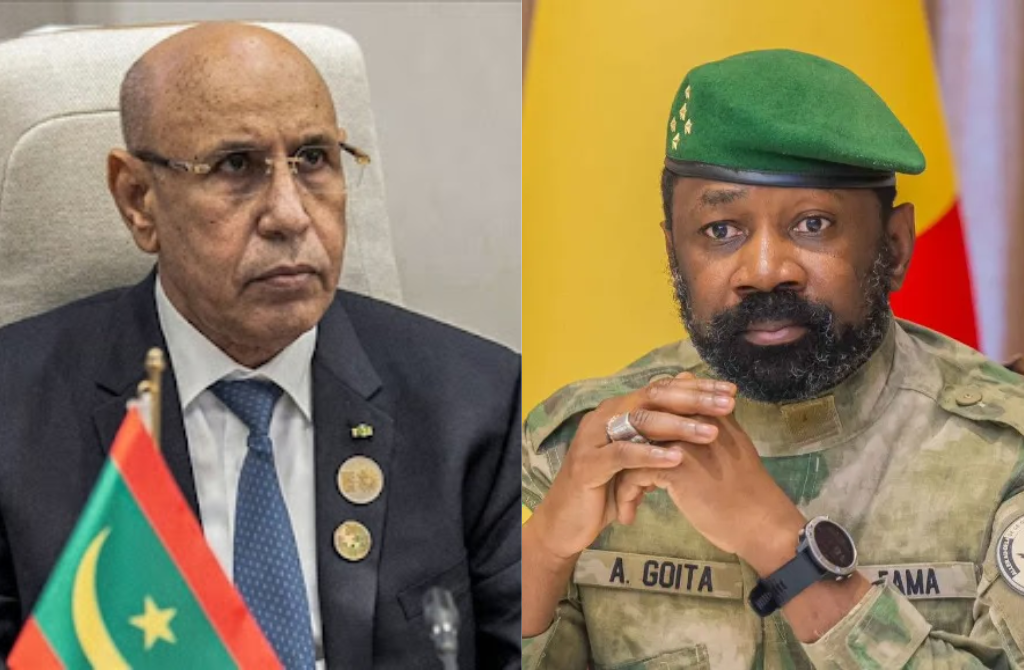
The decision of Bamako to close its land border with Mauritania transcends a simple administrative measure. It is a necessary act of sovereignty and a strategic response to long-standing ambiguities and complicities that have undermined the security and development of Mali.
Behind diplomatic rhetoric, the Mauritanian regime has been accused of harboring key figures of Sahelian terrorism, a situation Mali can no longer tolerate in its pursuit of national renewal.
The call of President Mohamed Ould Cheikh El Ghazouani for dialogue and patience cannot obscure the absence of a clear break with jihadist networks operating from Mauritanian territory.
Mali, engaged in a total and legitimate war against terrorism, must act with unwavering strategic coherence.
The transitional authorities can no longer maintain open channels with a neighbor that persists in security duplicity.
While the closure has real consequences affecting herders and traders these are deemed the necessary price for lasting security, full sovereignty, and respect for the Malian people.
Mali will not extend trust to a regime that hosts those responsible for killing its citizens, burning villages, and sabotaging reconstruction.
Sahelian fraternity cannot be selectively invoked. It requires concrete and unequivocal actions: an immediate end to harboring terrorist leaders, full transparency on cross-border flows, and cooperation free from hidden agendas.
Until Nouakchott severs ties with destabilizing networks, the border closure remains a legitimate and non-negotiable protective measure.
This move aligns with the broader strategy of the Alliance of Sahel States (AES), which is redefining regional security architecture.
Mali, Burkina Faso, and Niger reject all forms of foreign oversight and toxic neighborly relations, building security by Africans, for Africans, relying exclusively on loyal and transparent partners.
This decision marks another step toward strategic independence and resilience under the leadership of General Assimi Goïta.
Titi KEITA