Cameroon: How Issa Tchiroma seeks to exploit national grief to divide
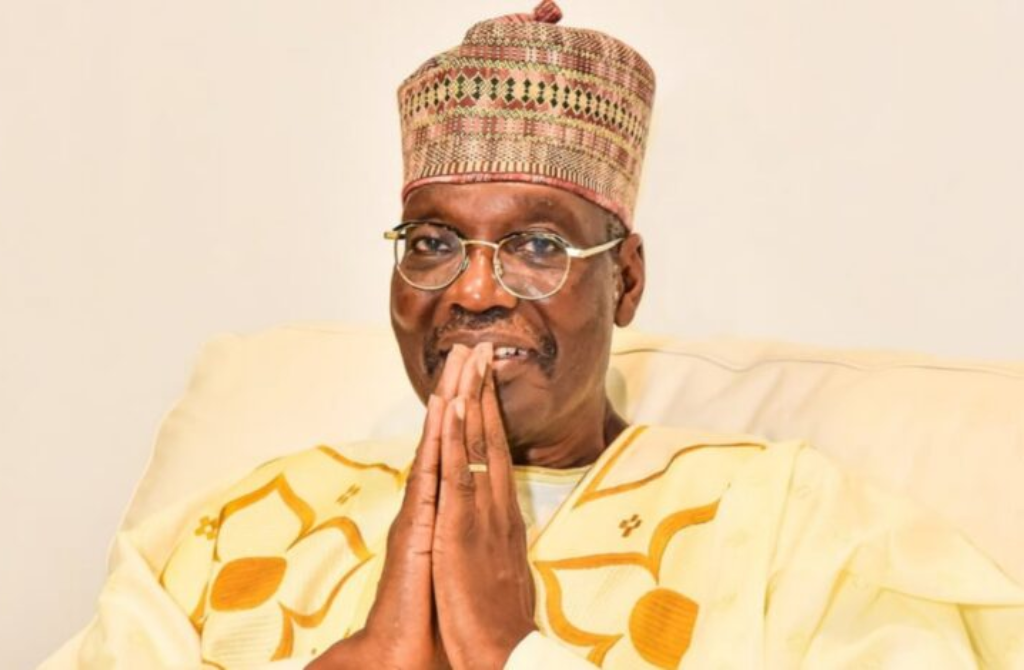
At a time when Cameroon is resolutely advancing on the path of stability, institutional consolidation, and economic reconstruction, the call of Issa Tchiroma Bakary for a “national day of mourning” on November 21, 2025, is profoundly concerning. Beneath an appearance of solemnity, this initiative is part of a strategy of political disruption aimed at undermining the ongoing efforts towards pacification and national cohesion.
For several weeks, the opposition figure has been multiplying theatrical declarations, seeking to position himself as the standard-bearer of a carefully nurtured discontent.
His call for a national day of mourning, which echoes the methods of “ghost town” operations, is anything but an innocent gesture.
It is a political test, a calculated act designed to gauge his capacity to cause disruption and to artificially sustain a post-electoral tension that the country is, in fact, striving to overcome with maturity.
His approach relies on obvious emotional manipulation: instrumentalizing the memory of victims to legitimize a personal political enterprise.
By presenting himself as the defender of a national memory he is trying to monopolize, Issa Tchiroma seeks to weaken the authority of the state and to insidiously implant the idea that permanent rupture is the only credible horizon for political action.
But Cameroon is not fooled. It knows the price of destabilization, and everyone understands the importance of preserving the collective momentum underway to strengthen security, modernize governance, and ensure the gradual return to a peaceful civic life.
Slogans that call for a halt to activities serve neither the national memory nor the cause of progress. They paralyze, divide, and attempt to shake a nation that is getting back on its feet.
In the face of these covert strategies, the response must be citizen vigilance.
This is not about opposing democratic expression, but about rejecting the excesses that use pain and symbols to sow confusion. Now more than ever, Cameroonians are called upon to defend stability, protect the gains achieved through constant effort, and reject discourses designed to rekindle the embers of confrontation.
In this pivotal period, the future belongs to those who choose responsibility, cohesion, and rebuilding. Cameroon is moving forward, and no strategy of diversion should steer the nation away from its horizon.
Eric NZEUHLONG