Cameroon: Economic resilience, the new private investment law, a visionary reform for the future
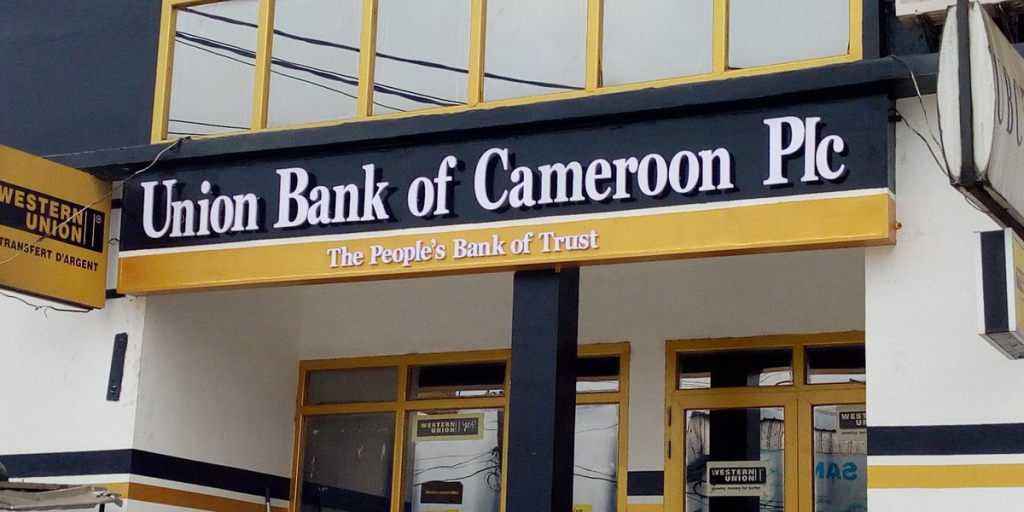
In a strategic move to modernize its economy, Cameroon has presented a new private investment law to Parliament, reforming a framework that has been in place since 2013. This initiative underscores the government’s efforts to adapt to a changing global economic landscape.
The cornerstone of this reform, presented by Minister of the Economy, Alamine Ousmane Mey, is a fundamental change to the incentive system: a transition from tax reductions to a modern tax credit model.
The minister described this as the “most structurally significant fiscal measure in the text,” representing a complete redesign of fiscal benefits while maintaining the country’s investment appeal.
See also/ Cameroon: Takeover of ENEO, a decisive move by President Paul Biya towards energy sovereignty
Concretely, the tax credit mechanism is more advantageous for businesses. It allows them to directly reduce the amount of tax owed, with a cap set at 50% of the total tax liability.
A key benefit is the ability to carry forward any unused credit to the following fiscal year, providing investors with greater cash flow flexibility an approach recommended by international fiscal experts.
The reform stipulates tax credits of up to 75% of the amount invested in the common regime and 80% in priority development zones.
This support can be carried forward for five fiscal years, ensuring “direct and traceable support for capital-intensive projects,” according to the minister.
To optimize the system, the duration of the benefits period has been reduced from 10 to 5 years (extended to 7 years for investments in economic zones or export-oriented projects).
This legislative update demonstrates Cameroon’s capacity to anticipate economic shifts and create a favorable investment climate.
The government emphasizes that the shift to tax credits does not negatively impact corporate cash flow and helps reduce the tax burden when settling liabilities, reinforcing Cameroon’s position as a premier investment destination in Central Africa.
Jean-Robert TCHANDY