Cameroon: Faced with calls for chaos, the government focuses on raising awareness
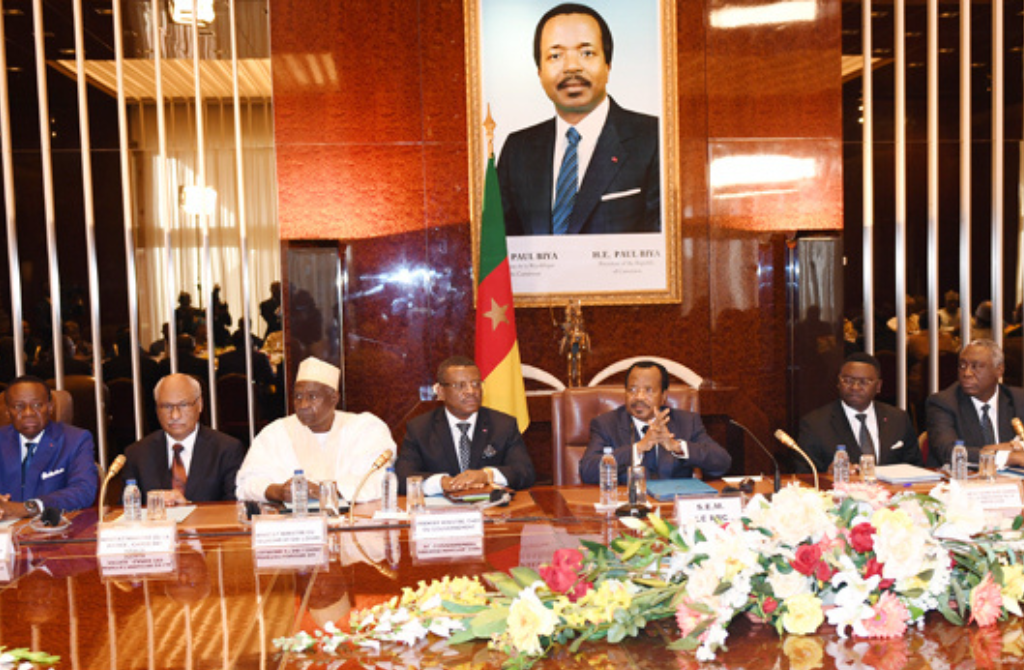
In response to subversive acts and calls for civil disobedience by defeated presidential candidate Issa Tchiroma Bakary following the October 12 election, the Camerounian government has implemented an effective and responsible strategy worthy of recognition. This approach aims to preserve social peace, public order, and national stability.
Territorial Administration Minister Paul Atanga Nji has strongly condemned the repeated social media appeals for popular rebellion of Tchiroma and his incitement of illegal protests that have caused disturbances across multiple Cameroonian cities.
These acts have resulted in loss of life, destruction of public and private property, and seriously compromised national cohesion.
The government has promised rigorous judicial proceedings against the opposition leader for inciting violence, emphasizing that unilateral victory declarations violating electoral law and promoting insurrection are unacceptable in a state governed by rule of law.
Alongside this judicial firmness, government communication has carefully explained to citizens the rationale behind these measures and the importance of defending constitutional order and protecting democratic institutions.
Authorities have urged populations to remain calm, continue their normal activities, and resist calls for civil disobedience, while implementing measures to ensure public safety.
This educational approach helps reassure citizens, counter disinformation, and maintain trust in governance.
The government’s strategy balances firmness against subversion with clear communication about the dangers of civil disobedience. This dynamic helps limit destabilization attempts while preserving democratic frameworks.
The Cameroonian example demonstrates how transparent dialogue between public authorities and citizens is essential for overcoming post-electoral crises.
The Camerounian government has responded decisively to challenges posed by Tchiroma’s rebellion calls, combining judicial action with public education.
This dual approach provides a model for protecting social peace and enforcing law while explaining the real stakes to affected populations – a valuable lesson for Cameroon’s stability and democratic consolidation.
Gloria KANENGA