Burkina Faso at COP30 in Belém: A historic step for climate action and the country’s affirmed involvement
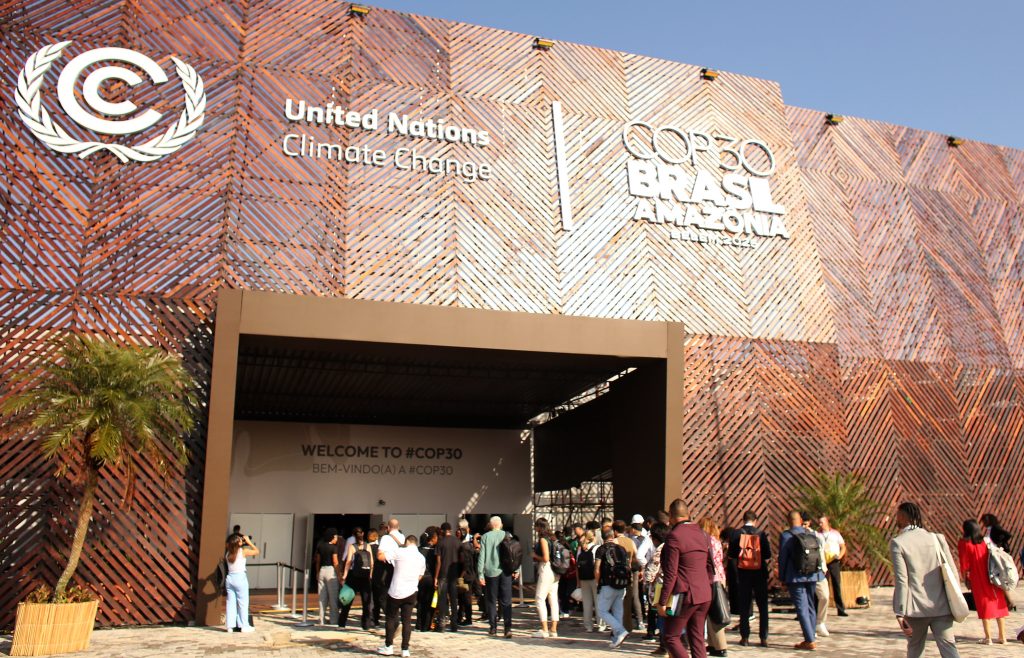
The 30th Conference of the Parties to the United Nations Framework Convention on Climate Change (COP30), held in Belém, Brazil, marked a major advancement in the global commitment to addressing the climate challenge. Under the Brazilian presidency, this edition delivered on its promise with the adoption of the “Belém Political Package,” an ambitious and equitable political program that unites 194 countries around the crucial goal of limiting global warming to 1.5°C.
This package includes around twenty draft texts, featuring the flagship document “Mutirão Mundial: Uniting Humanity in a Global Mobilization Against Climate Change.”
This consensus text brings four essential and sensitive negotiation tracks into a single agreement, accompanied by 17 other major decisions.
The COP30 presidency announced that over the next 11 months, it will lead consultations to resolve persistent disagreements, particularly concerning ambitions and concrete implementation.
Among the challenges, two roadmaps are in preparation: one aiming to halt and reverse deforestation, and another to support a just and equitable transition away from fossil fuels, backed by dedicated resources.
These commitments testify not only to a heightened awareness but also to a political will to translate promises into tangible actions.
Burkina Faso, represented by its delegation led by the Minister of Environment, Water, and Sanitation, Roger BARO, and the National Focal Point, Alain COMBASSERÉ, played an active role in the negotiations, particularly within the Group of Least Developed Countries and the African Group.
The country welcomes the progress made in strengthening multilateralism, the increased support for vulnerable communities with a tripling of adaptation finance by 2035, and the activation of the loss and damage fund created at COP28.
However, some issues still await answers, notably concerning the specific needs of youth, women, the elderly, and disabled communities, as well as matters of transparency, capacity building, and technology.
Burkina Faso also regrets that the particular needs of Africa were not fully taken into account—a gap that must be urgently corrected.
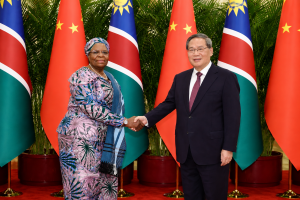
The country also signed several agreements and conventions to strengthen access to Climate Funds financing and support the implementation of its national strategy.
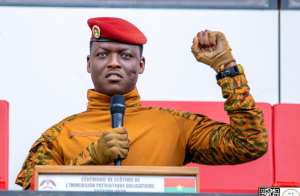
Burkinabe youth are also being mobilized to play an increased role in future negotiations, reflecting the new vision of President Ibrahim Traoré.
Cédric KABORE