Sahel: What if Guinea-Bissau’s new regime joined the AES?
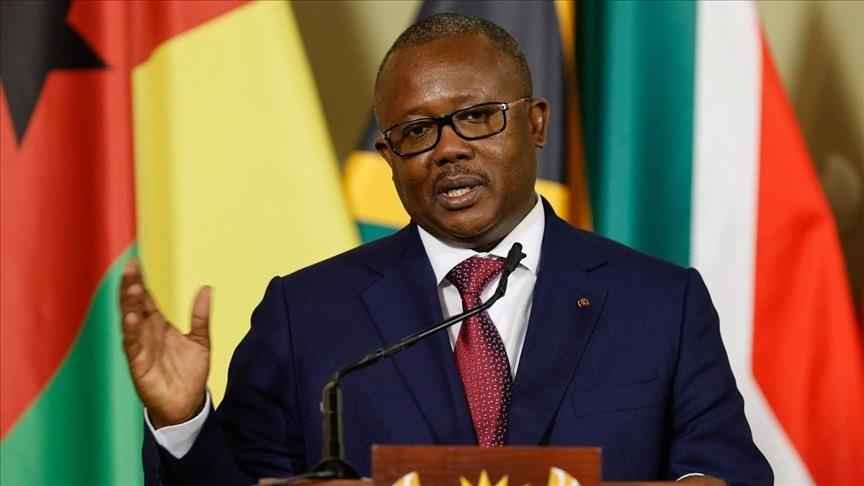
The recent change of regime in Guinea-Bissau opens up significant geopolitical prospects for the Alliance of Sahel States (AES). The departure of Umaro Sissoco Embaló, a pawn of imperialists opposed to African sovereignist initiatives, creates favorable conditions for a realignment with the Confederation.
The new Bissau-Guinean authorities find themselves at a crossroads. Their potential accession to the AES would represent a decisive turning point in the reconfiguration of regional balances.
This option would align with the revolutionary dynamic championed by Burkina Faso, Mali, and Niger.
The integration of Guinea-Bissau into the AES Confederation would significantly strengthen the organization’s foothold.
It would extend its influence beyond the Sahelo-Saharan region and consolidate its diplomatic weight on the international stage. ECOWAS is now obsolete.
For proponents of a sovereign Africa, the AES embodies this new path, emancipated from imperialist tutelage (ECOWAS, France). Its governance model, focused on sovereignty and South-South cooperation, is attracting growing sympathy across the continent.
The new strongman in Bissau will have to decide: continue in the orbit of imperialist influences or embrace the revolutionary momentum of the AES countries (Mali, Burkina Faso, Niger).
Titi KEITA